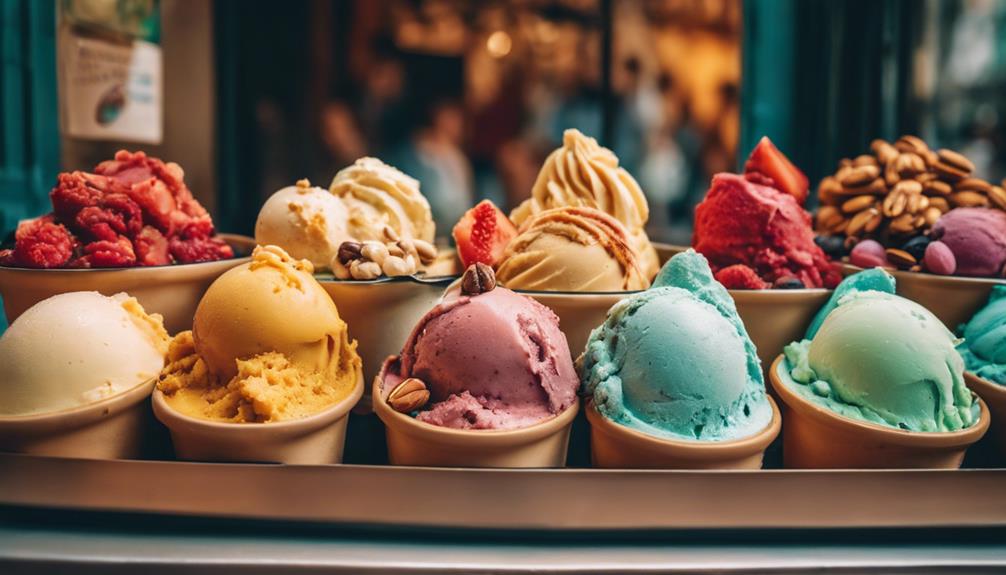

The history of ice cream goes from ancient snow and ice treats in China and Persia to modern cones with rich flavors and textures. Early versions used snow mixed with honey, fruit, or spices. As sugar became widespread, it made ice cream sweeter and creamier. Technological advances in refrigeration in the 18th century allowed mass production and more flavor creativity. If you keep exploring, you’ll uncover how science and innovation continue to shape this delicious history.
Key Takeaways
- Ice cream originated in ancient China and Persia with snow-based frozen treats flavored with honey, fruit, and spices.
- The introduction of sugar improved taste, texture, and allowed for more diverse flavor experimentation.
- Medieval and Renaissance periods saw innovations with dairy, vanilla, chocolate, and fruit-infused flavors.
- The development of refrigeration in the 18th century enabled mass production and technological advancements.
- Modern ice cream features endless flavors and creative ingredients driven by scientific progress and culinary innovation.

Ice cream has a rich and intriguing history that dates back centuries, captivating people around the world with its delicious flavors and creamy texture. Early versions of frozen treats relied on natural ice and snow, but as civilizations advanced, so did the techniques and ingredients used to craft these icy delights. Central to the evolution was the desire to improve taste through sugar enhancement, which not only sweetened the mixture but also helped achieve a smoother, creamier consistency. Over time, this led to a focus on flavor innovations—innovative combinations of ingredients and methods that turned simple frozen desserts into complex culinary experiences.
In ancient China, around 200 BCE, people enjoyed a primitive form of ice cream made by mixing snow with honey, fruit, and sometimes rice. Meanwhile, in Persia, they created chilled drinks flavored with fruits and aromatic spices, laying early groundwork for flavor experimentation. As global trade expanded, sugar became more accessible and affordable, transforming the landscape of frozen desserts. The addition of sugar wasn’t just about sweetness; it played a crucial role in enhancing texture and stability, making the ice cream smoother and more enjoyable. This shift marked a turning point, allowing artisans and chefs to explore new flavor combinations and push the boundaries of what ice cream could be.
By the Middle Ages, Europeans had begun experimenting with dairy and sugar, developing early recipes for frozen milk-based desserts. These recipes evolved further during the Renaissance, when invention and curiosity fostered flavor innovations like vanilla, chocolate, and fruit-infused varieties. The advent of better refrigeration technology in the 18th century revolutionized ice cream making, enabling mass production and more precise control over the texture and flavors. This era saw a boom in flavor innovations, with artisans creating unique recipes that combined ingredients in unexpected ways, appealing to an increasingly sophisticated palate.
Today, the pursuit of flavor innovation continues to drive the industry, with countless variations and creative combinations emerging regularly. From exotic spices to inventive mix-ins, modern ice cream makers leverage scientific advancements to perfect sugar enhancement and develop new tastes. You can now indulge in a spectrum of flavors once thought impossible, all thanks to centuries of experimentation and innovation. The history of ice cream reflects a journey from simple snow mixes to a global culinary phenomenon, where continuous flavor innovation and sugar enhancement keep the experience fresh, exciting, and endlessly delightful.

Cuisinart Ice Cream Maker Machine, 2-Quart Ice Cream, Sorbet and Frozen Yogurt Machine, Fully Automatic Double-Insulated Freezer Bowl Makes Frozen Desserts in Under 30 Minutes, ICE30BCP1, Silver
DOUBLE-INSULATED FREEZER BOWL: This Cuisinart Cuisinart Ice Cream Maker Machine with double-insulated freezer bowl holds a generous 2…
As an affiliate, we earn on qualifying purchases.
As an affiliate, we earn on qualifying purchases.
Frequently Asked Questions
When Did Ice Cream First Become a Popular Treat Worldwide?
You’ll find that ice cream became a popular treat worldwide in the 20th century, especially after the invention of refrigeration. Its cultural significance grew as different regions developed unique flavors and styles, from Italy’s gelato to Japan’s mochi ice cream. Regional variations helped make it a beloved dessert across cultures. You can enjoy ice cream anytime, knowing it’s a shared favorite that bridges traditions and brings joy globally.
What Are the Oldest Known Recipes for Ice Cream?
Imagine uncovering a treasure chest of ancient flavor profiles—those are the oldest ice cream recipes you’re asking about. You’ll find early refrigeration techniques used by Chinese and Persian cultures, blending ingredients like honey, fruit, and dairy. These recipes, dating back thousands of years, laid the foundation for modern ice cream. By exploring these, you connect directly to the roots of this sweet, icy art form.
How Did Early Civilizations Keep Ice Frozen Without Modern Refrigeration?
You’d be surprised how early civilizations kept ice frozen using ancient cooling methods. They relied on natural ice storage, such as underground chambers or cellars, where cooler temperatures helped preserve ice for longer periods. In colder climates, people harvested natural ice from lakes and rivers during winter and stored it in insulated pits or built ice houses. These techniques allowed them to enjoy chilled treats long before modern refrigeration existed.
Who Invented the First Ice Cream Cone?
You might be surprised to learn that the first ice cream cone was credited to Ernest Hamwi in 1904 at the St. Louis World’s Fair. This confectionery innovation quickly gained cultural significance, transforming how people enjoy ice cream. By creating a portable, edible container, Hamwi revolutionized dessert presentation, making it easier for everyone to indulge on the go. This invention remains a beloved symbol of ice cream’s evolution today.
How Has Ice Cream Production Evolved Over Centuries?
You see, ice cream production has evolved considerably over centuries thanks to ice cream innovation and advances in manufacturing techniques. You’ve moved from hand-churning in the 18th century to automated, large-scale production today. Modern techniques like pasteurization, homogenization, and flash freezing allow you to create consistent, high-quality ice cream efficiently. These innovations make it possible for you to enjoy a wide variety of flavors and textures worldwide.

LayYun Ice Cream Containers for Homemade (4 Pack – 1 Quart Each), Reusable PP Plastic Ice Cream Storage Containers for Freezer, Leak-Free Ice Cream Containers with Silicone Lids
Stylish Ice Cream Containers Reusable- Each homemade ice cream container holds 1 Liter (1 Quart) and measures 5.3”…
As an affiliate, we earn on qualifying purchases.
As an affiliate, we earn on qualifying purchases.
Conclusion
As you’ve seen, ice cream’s journey from ancient snow to today’s cones is full of surprising twists. Maybe it’s no coincidence that centuries ago, kings and commoners alike craved cold treats—just like you do today. So next time you enjoy a scoop, remember how history unexpectedly shaped your favorite indulgence. It’s funny how a simple craving can connect us across time, turning a snowy wonder into a universal delight.
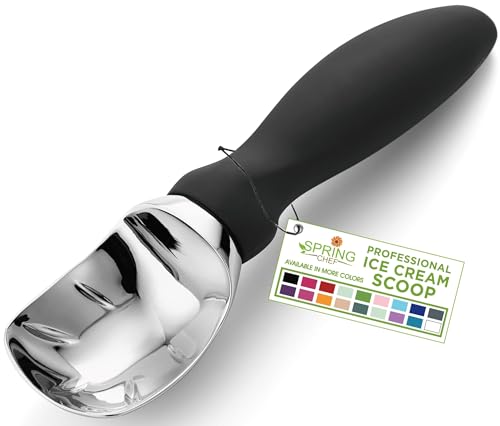
Spring Chef Heavy Duty Ice Cream Scoop with Comfortable Handle – Professional Ice Cream Scooper for Gelato, Sorbet, Cookie Dough, Melon, Frozen Yogurt – Dishwasher Safe Metal Kitchen Tool – Black
THE LAST ICE CREAM SCOOP YOU'LL NEED – Genuine heavy duty tool that is strong and sturdy with…
As an affiliate, we earn on qualifying purchases.
As an affiliate, we earn on qualifying purchases.

"""MR Infusion Bottle with Metal Strainer ? Cocktail Kit for Infusions and Cocktail Mixers, Includes Dehydrated Strawberries and Dried Fruit for Cocktails, Ideal Drink Mixers for Cocktails"""
"""Complete Cocktail Kit ? Infuse and mix drinks at home with a versatile cocktail kit that combines an…
As an affiliate, we earn on qualifying purchases.
As an affiliate, we earn on qualifying purchases.