Choosing an automatic ice cream maker often comes down to whether you want to plan around a frozen bowl or pay more for a machine that chills its own mixture. Compressor models handle the cooling themselves, so they can be ready when you are and can make another batch without refreezing a bowl. Freezer-bowl models need advance freezer space and planning, but usually cost less and take up less counter space. Both can make ice cream at home; the better fit depends on how often you make it, how much convenience matters, and whether you have room in the freezer and kitchen.

Get baking supplies delivered free with Prime
- Fast, free delivery on millions of items
- Prime Video, Amazon Music and more included
- Member-only deals all year

Whynter Upright Automatic Ice Cream Maker, 2.1 Qt, ICM-201SB
- ✔ Capacity: 2.1 quarts
- ✔ Freezing: Built-in compressor; no pre-freezing required
- ✔ Display: LCD timer
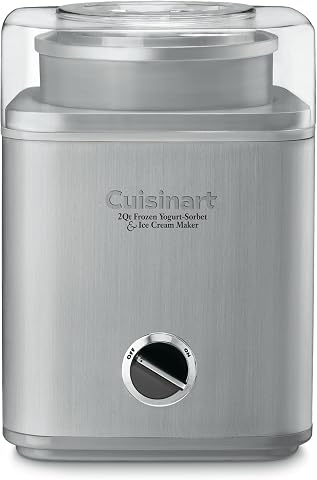
Cuisinart Ice Cream Maker Machine, 2 Qt., Model ICE-30BCP1
- ✔ Capacity: 2 quarts
- ✔ Motor: Heavy-duty automatic churning
- ✔ Freezer bowl: Double-insulated; pre-freeze for about 24 hours

Whynter Automatic Ice Cream Maker, 2.1 Qt, ICM-200LS
- ✔ Capacity: 2.1 quarts
- ✔ Freezing: Built-in CFC-free compressor
- ✔ Housing: Stainless steel
This comparison looks at the two machine types across preparation, batches, cost, storage, and everyday use. Choose a compressor model if you make frozen desserts often or want to serve several flavors in one session. Choose a freezer-bowl model if you make occasional batches, can plan ahead, and would rather spend less. Neither type removes the need to follow a recipe and chill the mixture as directed, and results still depend on ingredients, recipe, and handling.
At a Glance
| Criteria | Compressor ice cream makers | Freezer-bowl ice cream makers | Winner |
|---|---|---|---|
| Preparation and advance planning | Chills the mixture in the machine; no bowl-freezing step | Bowl must be frozen ahead of time, often for many hours | A |
| Consecutive batches | Can usually start another batch without refreezing a bowl, subject to machine capacity and cooling time | A second batch generally requires another fully frozen bowl or time to refreeze | A |
| Purchase cost and value | Usually costs more; convenience pays off most with frequent use | Usually costs less; strong value for occasional batches | B |
| Storage and counter space | Larger and heavier, with no bowl that needs freezer storage | Smaller machine, but the bowl occupies freezer space | B |
| Everyday ease of use | Straightforward setup, but the appliance is bulkier to move and store | Simple operation once the bowl is frozen; planning is part of the routine | Depends |
| Serving flexibility | Better suited to making several flavors in one session | Works well for one planned batch at a time | A |
Whynter Upright Automatic Ice Cream Maker, 2.1 Qt, ICM-201SB
For households that make frozen desserts more than occasionally, the ICM-201SB’s built-in compressor is the difference that matters most: the machine freezes the mixture while it churns, so there is no bowl to remember to freeze the night before. That makes a second batch more practical when the first one disappears quickly. Its 2.1-quart capacity is slightly larger than the Cuisinart’s 2-quart limit, giving this Whynter a modest edge for family-size servings.The upright form is intended to save counter space compared with horizontal machines, and an LCD timer with audible alert helps us follow a cycle without standing by it. A removable stainless steel bowl also makes it easier to transfer the finished dessert and clean the food-contact parts. Compared with the ICM-200LS, this model’s explicitly described upright shape and stainless bowl give buyers clearer guidance on counter arrangement and serving.There are real compromises. The tall housing may feel less stable on a narrow counter, and compressor operation can be noisier than the Cuisinart’s freezer-bowl approach. It is also a larger appliance than a simple bowl-and-base setup. We would choose it when avoiding advance preparation matters more than keeping operation quiet or storage minimal; buyers who churn only occasionally may find the Cuisinart’s planning requirement worthwhile in exchange for a simpler machine.
Pros:
- Built-in compressor removes the need to pre-freeze a bowl.
- 2.1-quart capacity accommodates family-size batches.
- LCD timer and audible alert help monitor the cycle.
- Removable stainless steel bowl supports serving and cleanup.
Cons:
- Compressor operation can be noisier than freezer-bowl models.
- Tall profile may be awkward on narrow counters.
- Larger and more involved than a simple freezer-bowl machine.
Best for: Households that want to make successive batches without reserving freezer space for a bowl.
Not ideal for: Buyers with very narrow counters, strict noise concerns, or a preference for compact freezer-bowl machines.
Bottom line: We recommend the ICM-201SB for repeat-batch convenience, provided its height and operating noise fit the kitchen.
“We recommend the ICM-201SB for repeat-batch convenience, provided its height and operating noise fit the kitchen.”
Cuisinart Ice Cream Maker Machine, 2 Qt., Model ICE-30BCP1
The Cuisinart ICE-30BCP1 suits a different rhythm from the Whynter machines. Its double-insulated freezer bowl must be frozen for about 24 hours, so we need to plan before dessert day and keep enough freezer space available. In exchange, the setup avoids a built-in compressor, and the automatic heavy-duty motor handles the churning once the bowl is ready. For buyers who make one batch at a time on a predictable schedule, that can be a sensible trade.At 2 quarts per batch, it is sized for family servings or a small gathering, though both Whynter models offer a slightly larger 2.1-quart capacity. The large ingredient spout lets us add chocolate, fruit or other mix-ins near the end without stopping the churn. That is a useful convenience when customizing a batch, and the BPA-free parts are hand-washable while the base wipes clean.Compared with the compressor-driven Whynters, the Cuisinart is the less flexible choice for an unplanned second batch: the bowl’s preparation is the constraint. But it is the clearest fit for people who value straightforward automatic churning and can plan ahead. Skip it if freezer space is tight or you want to decide on a batch at the last minute; the Whynter compressor models remove that specific hurdle, albeit with more appliance bulk and potential noise.
Pros:
- Makes up to 2 quarts in a batch.
- Automatic heavy-duty motor handles churning.
- Large spout accepts mix-ins during the final minutes.
- Hand-washable parts and a wipe-clean base simplify cleanup.
Cons:
- Freezer bowl needs about 24 hours to freeze fully.
- A second batch requires another properly frozen bowl.
- Capacity is slightly smaller than the Whynter models.
Best for: Families and hosts who can freeze the bowl in advance and want a simple, generous batch with easy mix-in access.
Not ideal for: Spontaneous dessert makers, households short on freezer space, or anyone who wants to make consecutive batches without waiting for a bowl to refreeze.
Bottom line: We favor the Cuisinart for planned family batches when freezer-bowl preparation is an acceptable part of the routine.
“We favor the Cuisinart for planned family batches when freezer-bowl preparation is an acceptable part of the routine.”
Whynter Automatic Ice Cream Maker, 2.1 Qt, ICM-200LS
The ICM-200LS is a sensible route to compressor-based churning without the freezer-bowl schedule required by the Cuisinart. Its built-in, CFC-free compressor freezes the mix as the machine runs, and the 2.1-quart capacity matches the larger Whynter ICM-201SB. That makes it a natural choice for households that want repeat-batch flexibility and enough dessert for several servings.An LCD display with timer and audible timer alert make cycle monitoring more direct than relying on a simple on-and-off setup. The stainless steel housing wipes clean, while the supplied details identify a BPA-free aluminum mixing bowl. Compared with the ICM-201SB, the ICM-200LS is described as compact, but its bowl material differs from the other model’s removable stainless bowl. Buyers who prioritize a stainless food-contact bowl should weigh that distinction rather than assuming the machines are identical.The tradeoff is the familiar one for compressor machines: this is heavier and bulkier than a freezer-bowl design, and its compressor convenience does not make it a small appliance. The listed features also give less detail about bowl removal and serving than the ICM-201SB. We would pick it when pre-freezing avoidance and batch size matter most, but choose the Cuisinart for a simpler planned routine or the ICM-201SB when the removable stainless bowl is a deciding detail.
Pros:
- Built-in compressor removes the need to pre-freeze a bowl.
- 2.1-quart batch capacity suits family servings.
- LCD display and timer help track churning.
- Stainless steel housing wipes clean.
Cons:
- Heavier and bulkier than freezer-bowl machines.
- Mixing bowl is BPA-free aluminum rather than stainless steel.
- Less detail is provided about bowl removal and serving.
Best for: Buyers who want a 2.1-quart compressor machine with an LCD timer and stainless steel outer housing.
Not ideal for: Small kitchens, buyers seeking a lightweight appliance, or those who specifically want a removable stainless steel bowl.
Bottom line: We choose the ICM-200LS when compressor convenience and capacity lead, while the ICM-201SB has the clearer edge for bowl handling.
“We choose the ICM-200LS when compressor convenience and capacity lead, while the ICM-201SB has the clearer edge for bowl handling.”
As an Amazon Associate we earn from qualifying purchases.
Key Differences
The largest practical gap is scheduling. With a compressor machine, cooling is built into the appliance, so you can decide to make a batch without first reserving freezer space for a bowl. A freezer-bowl model requires that preparation in advance. That can be easy to manage if you keep the bowl frozen, but it limits spontaneity and can make a second flavor difficult to produce in the same session.
Cost and footprint pull the other way. Freezer-bowl machines are generally less expensive and smaller, which makes them a sensible starting point for occasional use or a compact kitchen. Compressor machines ask for more money and storage space. That extra expense buys convenience most clearly for frequent makers, households that want multiple flavors, or anyone who finds advance planning a recurring obstacle. For a batch now and then, the cheaper machine is usually the better value.
Neither type is automatically better at making ice cream. Recipe, ingredients, mixture temperature, machine capacity, and how the finished dessert is stored all affect texture. A compressor model can remove the frozen-bowl bottleneck, but it does not guarantee a better result or eliminate recipe preparation. Decide based on the routine you will actually use: repeated, flexible batches favor a compressor; one planned batch at a time favors a freezer bowl.
Detailed Comparison
Preparation and advance planning (Compressor ice cream makers wins — major)
Compressor wins; the gap is major for spontaneous use. It chills the mixture without a pre-frozen bowl, so there is one less timing constraint before churning. A freezer-bowl machine needs its bowl frozen ahead, often for many hours, and the bowl must remain cold enough to work. If you already keep it in the freezer, that requirement may barely affect your routine. If you decide on dessert at the last minute, the compressor is much easier to use.
Consecutive batches (Compressor ice cream makers wins — major)
Compressor wins; the gap is major when making several flavors. Because it cools its own mixture, it can generally make another batch without waiting for a bowl to refreeze. The machine may still need time between batches, and its capacity sets a limit. A freezer-bowl model is usually best for one batch per prepared bowl; another batch calls for a second frozen bowl or a long wait. For single-batch households, this difference is minor.
Purchase cost and value (Freezer-bowl ice cream makers wins — moderate)
Freezer-bowl wins on initial cost; the gap is often moderate or major. It is usually the more affordable way to make homemade ice cream automatically. The compressor costs more because it includes a built-in cooling system. That premium makes sense when frequent use, multiple batches, or flexible timing will change how often you use the machine. If you make a batch occasionally and can plan ahead, the lower-cost model is generally better value.
Storage and counter space (Freezer-bowl ice cream makers wins — moderate)
Freezer-bowl wins for compact kitchens; the gap is moderate. Its machine is generally smaller and easier to put away, although the bowl itself needs freezer space. A compressor model is larger and heavier, so it can be awkward to store or move between uses. It frees you from storing a frozen bowl, but it does not remove the need for space around the appliance. Choose by checking both your freezer and cupboard or counter capacity.
Everyday ease of use (moderate difference)
The winner depends on which inconvenience matters more. A freezer-bowl machine is often simple to operate once the bowl is frozen, but remembering to freeze it is part of using the appliance. A compressor model removes that step, while its weight and larger footprint can make setup and storage less convenient. For frequent batches, the compressor is easier to fit into a routine. For occasional batches and limited storage, the freezer-bowl can feel simpler overall. This is a moderate difference shaped by the kitchen and the household’s habits.
Serving flexibility (Compressor ice cream makers wins — moderate)
Compressor wins; the gap is moderate for most households and major for variety. It is better suited to serving different flavors in one session because another frozen bowl is not the usual requirement. A freezer-bowl maker works well when one planned flavor is enough, but changing flavors means cleaning the machine and having another cold bowl available or waiting for the first to refreeze. The compressor offers more freedom over timing and batch sequence, though recipes and capacity still shape what is practical.
Finished texture (minor difference)
There is no general winner; the gap is minor as a machine-type distinction. Both types can make satisfying ice cream, and neither guarantees a particular texture. The recipe, the temperature of the mixture, the machine’s capacity, and storage after churning all matter. A compressor can make it easier to start without a previously frozen bowl, but it does not replace sound recipe preparation. Look at the performance and capacity of the specific model if texture is your main concern.
Compressor ice cream makers: Pros and Cons
Pros:
- No advance bowl-freezing step
- More practical for consecutive batches and multiple flavors
- Flexible when deciding to make ice cream on short notice
Cons:
- Usually costs more upfront
- Larger and heavier to store or move
- Extra convenience may not repay the premium for occasional use
Freezer-bowl ice cream makers: Pros and Cons
Pros:
- Usually the less expensive option
- Smaller machine for kitchens with limited storage
- Good fit for occasional, planned batches
Cons:
- The bowl must be frozen ahead of time
- A second batch can require another bowl or a long wait
- The frozen bowl takes up freezer space
Who Should Choose What
Choose Compressor ice cream makers if:
- You make ice cream often and want to start without planning around a frozen bowl.
- You want to make several flavors or batches in one session.
- You have room for a larger appliance and value flexibility enough to pay more.
Choose Freezer-bowl ice cream makers if:
- You make one batch occasionally and can freeze the bowl in advance.
- Keeping the purchase cost down matters more than making back-to-back batches.
- Your kitchen has limited counter or cupboard space, and a freezer bowl will fit.
Skip both if: Skip both if you rarely make frozen desserts and do not want to prepare mixtures, clean the machine, or store homemade batches; buying ice cream may be simpler and less costly for your routine.
Value for Money
A freezer-bowl machine is the stronger value for someone who makes an occasional batch and can plan ahead. Its lower purchase cost buys the core convenience of automatic churning without paying for built-in refrigeration. The bowl’s freezer requirement is a real limitation, but it may cost little in practice if freezer space is available and the bowl can stay frozen between uses.
Pay more for a compressor model when that extra flexibility is likely to make you use it more. It suits frequent makers, households that want several flavors in succession, and people who would otherwise skip a batch because they forgot to freeze a bowl. The premium is harder to justify for a single batch every few weeks. Compare the specific machines’ capacity, footprint, and stated cycle guidance before buying: the compressor category does not mean every model is equally fast or suitable for every household.
Final Verdict
For most occasional home cooks, choose a freezer-bowl maker: it costs less, takes up less appliance space, and does the job well when you plan ahead. Choose a compressor model if you make frozen desserts regularly, want several flavors in one session, or know the frozen-bowl step will keep you from using the machine. The biggest deciding factor is whether freedom from advance freezing will change your routine enough to justify the higher cost and larger footprint. If it will, the compressor is worth paying more for; if not, the freezer-bowl is the more sensible buy.
Frequently Asked Questions
Which type is better for making more than one flavor?
A compressor maker is generally better for several flavors in one session because it does not rely on a bowl that must be refrozen between batches. Check the specific machine’s capacity and instructions, since those still set practical limits. A freezer-bowl model can also make multiple flavors if you have additional prepared bowls, but that adds freezer space and planning.
Does a compressor machine make better ice cream?
Not by itself. Both types can make good ice cream, and texture depends on the recipe, mixture temperature, machine capacity, and storage after churning. A compressor mainly removes the need to freeze a bowl ahead of time. Compare specific models and follow the recipe and machine instructions rather than assuming one machine type guarantees a better result.
Is a freezer-bowl maker worth buying?
Yes, if you make batches occasionally, have freezer space, and remember to freeze the bowl ahead. Its lower purchase cost can make it the better value for that routine. It is less convenient when you want to start immediately or make multiple batches in succession.
When is the compressor’s higher price worth paying?
Pay more when you expect to make ice cream often, want to serve several flavors in a session, or value choosing the timing without a pre-frozen bowl. If you make one planned batch now and then, that convenience may not justify the cost or the larger appliance.