TL;DR

Get baking supplies delivered free with Prime
- Fast, free delivery on millions of items
- Prime Video, Amazon Music and more included
- Member-only deals all year
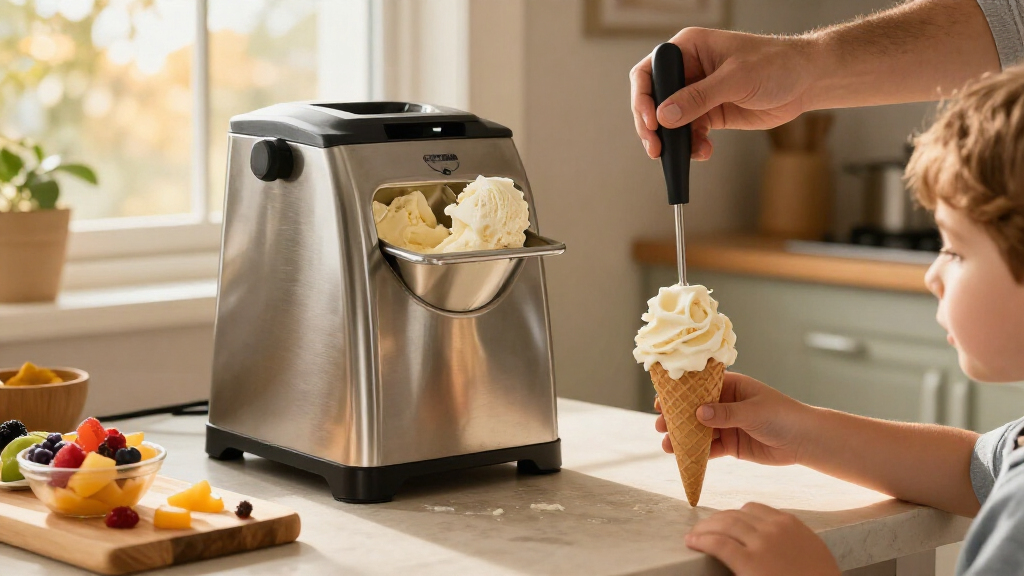
Automatic ice cream makers prepare frozen desserts with little or no manual churning, but they use different methods: compressor machines freeze as they churn, freezer-bowl models need a pre-frozen bowl, and spin-style machines may process a base frozen in a container. Choose based on how often you make dessert, your freezer and counter space, and whether you value spontaneous batches or a lower-cost appliance.
You can finish dinner, remember the strawberries in the fridge, and decide you want ice cream tonight. Whether that plan works depends less on the word automatic than on what freezes the mixture: the machine, a pre-frozen bowl, or a container you freeze ahead of time.
This guide explains how the main automatic ice cream makers differ, what their “automatic” features actually do, and how to choose a model that fits your kitchen. You’ll also get practical tips for better texture, realistic batch planning, and safe handling of ingredients such as milk and eggs.
A compressor machine freezes as it churns; a freezer-bowl model needs a frozen bowl; some spin-style models process a base frozen in a container.
Choose a compressor when spontaneous or repeat batches matter more than price, weight, and counter space.
Check the recommended mixture amount and fill line, since the mixture expands and bowl volume may not equal finished-batch capacity.
A chilled base, a properly frozen bowl when required, and a recipe suited to your ingredients all help improve texture.
Store homemade dessert in a clean, airtight, freezer-safe container and check recipes for allergens such as milk, eggs, peanuts, and tree nuts.
What automatic ice cream makers do—and what they don’t
An automatic ice cream maker turns a prepared mixture into frozen dessert with little or no manual churning, usually by cooling the mixture while a paddle moves through it. That movement helps incorporate air and limits large ice crystals. The machine handles the repetitive work; it doesn’t replace a good recipe or fix a base that starts too warm.
Think of churning as stirring a slushy drink while the glass itself gets colder. The paddle keeps the mixture moving as it freezes, building a smoother texture than you’d get by placing a bowl of liquid in the freezer and hoping for the best. The finished dessert is often soft enough to scoop right away, then firms up after a spell in the freezer.
For example, if you make a vanilla base in the afternoon, chill it in the refrigerator as the recipe directs, then churn it in the evening, the machine has a better starting point than if you pour in a warm mixture straight from the stove. Batch size matters too: too much mixture can crowd the bowl and leave less room for expansion.
“Automatic” also doesn’t mean every step happens without you. You may still need to prepare and chill the base, freeze a bowl or container, add mix-ins at the right time, and transfer the dessert for storage. The machine is a helpful kitchen partner, not a tiny dessert wizard.
Products Worth Considering

Cuisinart Freeze Ease Automatic Ice Cream Maker, 1-Quart

Cuisinart ICE-70WB 2-Quart Ice Cream Maker

De'Longhi Magnifica Start Fully Automatic Espresso Machine with Milk Frother, Silver
As an affiliate, we earn on qualifying purchases.
Which machine type fits the way you make dessert?
Automatic ice cream makers generally use one of three methods: a built-in compressor, a pre-frozen bowl, or a frozen container that a blade spins or processes. The difference affects how much planning you need, how many batches you can make, and how much room the appliance takes up. Check the actual freezing method, not just the product label.
| Type | What freezes the mixture | Best fit | Main tradeoff |
|---|---|---|---|
| Compressor | Built-in refrigeration | Spontaneous or repeat batches | Often larger, heavier, noisier, and pricier |
| Freezer bowl | A bowl frozen ahead of time | Occasional batches and smaller kitchens | Needs freezer space and advance planning |
| Spin-style | A prepared base frozen in a container, then processed | Small portions and customized mix-ins | Different workflow; check container and recipe rules |
Suppose you host a summer dinner and want to make lemon sorbet after serving the main course. A compressor model can be convenient because it doesn’t need a frozen bowl waiting in the freezer, although it still needs time to run. A freezer-bowl model can work just as well if you froze the bowl in advance and planned a single batch.
Spin-style appliances have another rhythm: you may prepare and freeze a base in its container well before you want to eat it, then process it in the machine. Some are designed to work with that already-frozen base rather than churn a liquid mixture continuously. Follow the maker’s instructions and check whether containers, blades, and recipes are specific to the model.
How to choose a machine you’ll actually use
Choose your machine by matching its workflow to your habits: buy a compressor model if on-demand batches matter, or consider a freezer-bowl model if lower cost and a smaller appliance matter more. A low price won’t feel like a bargain if you dislike planning; an expensive compressor won’t earn its counter space if you make dessert twice a year.
- Decide how often you’ll make dessert. Frequent batches or back-to-back recipes favor a compressor. Occasional weekend treats may suit a freezer bowl.
- Measure the space. Check counter height and storage, then check whether your freezer has room for a bowl or frozen containers.
- Check useful capacity. Look for the recommended mixture amount and maximum fill line, not just bowl volume. Mixture expands as it churns.
- Compare the real workflow. Read the instructions for freezing, cycle time, cooling breaks, and repeat batches.
- Check cleanup, support, and features. Confirm whether the bowl and paddle come out, and whether replacement parts are available.
Here’s a familiar kitchen tradeoff: you have a narrow freezer packed with frozen vegetables, but enough counter space for an appliance. A freezer-bowl model may be frustrating even if it costs less. On the other hand, if you have a roomy freezer and make a small batch every few weeks, paying extra for a compressor might buy convenience you rarely use.
Controls can add ease, but don’t shop by button count. A timer or keep-cool feature may help when you want to finish other kitchen tasks, while several dessert presets may not matter if you plan to make one reliable vanilla recipe. Verify current capacity, features, and cycle claims in the specific model’s instructions; product ranges change, and advertised results depend on recipe and conditions.
What makes a batch creamy instead of icy?
A creamy batch starts with a suitable recipe, a cold base, and a machine used within its recommended fill level. Churning and cooling work together: the paddle moves the mixture while the freezing system lowers its temperature, helping limit large ice crystals. If the bowl isn’t cold enough or the mixture starts warm, the dessert may stay soft or turn coarse.
For instance, imagine pouring a room-temperature fruit base into a freezer-bowl machine that has only been chilled for a few hours. The paddle may rotate, but the mixture might not firm up as expected. A fully frozen bowl and a thoroughly chilled base give the machine a better chance to do its job. The maker’s manual takes precedence over any general timing advice.
Recipe balance matters as well. Sugar, fat, water, and other ingredients affect freezing and texture, so a low-sugar or dairy-free version can behave differently from a classic cream-and-sugar base. That doesn’t mean you can’t make it; it means a recipe tested for your ingredients and machine is a smarter starting point than swapping ingredients at random.
- Chill the base when the recipe calls for it.
- Respect the fill line and leave room for expansion.
- Add chunky mix-ins near the end unless the machine’s instructions say otherwise.
- Freeze the churned dessert in a freezer-safe container if you want a firmer scoop.
Homemade ice cream may feel harder than supermarket ice cream after storage in a household freezer. Let it soften briefly before scooping rather than forcing a spoon through a rock-solid tub. If a recipe contains eggs, use a pasteurized product or a preparation method that cooks the mixture safely, and keep dairy or egg mixtures refrigerated while you work.
What to expect from capacity, noise, and cleanup
A machine’s listed bowl size is not always the amount of finished ice cream you should expect to make in one go. Follow its recommended mixture quantity and maximum fill line, because the base expands as air gets incorporated. A large-looking bowl can still have a smaller practical batch limit.
Picture a family dinner where you want enough dessert for six people. If the machine’s instructions recommend a modest amount of base, one batch may not stretch as far as the bowl’s headline volume suggests. A compressor model may make repeating the process more convenient, but it can still need a break between cycles; a freezer-bowl model may need its bowl refrozen before another batch.
Noise and storage are ordinary details that quickly become daily annoyances. Compressor machines tend to be bulkier and can make more noticeable motor and refrigeration sounds. Freezer-bowl models are typically smaller, but their bowl takes up freezer space and may be awkward to store around frozen peas and ice packs.
Before buying, check which parts detach and how the manual says to clean them. Removable bowls and paddles are often easier to wash than fixed components, but a sealed freezer bowl may need special care. Don’t submerge or handle it in a way that could damage its construction; follow the manufacturer’s cleaning and drying directions. Also check whether lids, paddles, or containers are replaceable if one goes missing or cracks.
How to plan, churn, and store a better batch
For reliable results, work backward from serving time: prepare and chill the base, freeze any required bowl or container, churn or process it according to the manual, then store it properly if you want a firmer texture. There is no universal making time because the recipe, batch size, starting temperature, and machine differ.
- Read the recipe and manual together. Confirm the machine’s method, fill limit, and any required container.
- Prepare and chill the base. Keep perishable ingredients refrigerated and use the recipe’s food-safe preparation directions.
- Freeze ahead when required. A freezer-bowl model needs a thoroughly frozen bowl; a spin-style model may need its prepared mixture frozen in its container.
- Run the machine as directed. Add mix-ins at the recommended point and avoid interrupting the cycle unnecessarily.
- Store leftovers in a clean, airtight, freezer-safe container. Press a cover against the surface if the recipe or storage method calls for it, and let the dessert soften briefly before serving.
For example, if you want sorbet on Saturday evening, don’t assume you can start from a warm mixture at 7 p.m. A freezer-bowl model may need its bowl frozen well in advance, while a spin-style model may require the base to freeze in its container first. A compressor avoids that bowl-freezing step, but it doesn’t erase preparation or churning time.
Use clean utensils and containers, and return dairy- or egg-based mixtures to the refrigerator or freezer promptly rather than leaving them on the counter. Homemade recipes give you control over ingredients and portions, but they aren’t automatically healthier. Allergens such as milk, eggs, peanuts, and tree nuts may appear in recipes or mix-ins; check labels and avoid cross-contact when serving someone with an allergy.
Frequently Asked Questions
Do I need to freeze the bowl before using an automatic ice cream maker?
Only if you have a freezer-bowl model. Compressor machines use built-in refrigeration, while some spin-style machines require you to freeze the prepared base in a compatible container. Check your model’s instructions for the exact method and timing.
How long does an automatic ice cream maker take?
It depends on the machine, recipe, batch size, and starting temperature. Bowl freezing or freezing a base in a container may take much longer than the churning or processing stage. Use the recipe and manufacturer’s instructions rather than relying on one universal cycle time.
Is a compressor ice cream maker worth the extra cost?
A compressor may be worth it if you make ice cream often, want to start without freezing a bowl ahead of time, or plan to make multiple batches. If you make an occasional treat and have freezer space, a freezer-bowl model may meet your needs for less. The tradeoff is convenience against price, size, and noise.
Can an automatic ice cream maker make sorbet or dairy-free ice cream?
Many models can make sorbet, frozen yogurt, and dairy-free desserts, but you need a recipe suited to the machine and ingredients. Dairy-free and low-sugar bases freeze differently from traditional cream-and-sugar mixtures, so they may turn firmer or icier. A tested recipe is a better starting point than a direct ingredient swap.
Why is my homemade ice cream icy or too soft?
Common causes include a warm base, a bowl that isn’t fully frozen, an overfilled machine, or a recipe that doesn’t suit the ingredients. Too much water or changes to sugar and fat can affect texture too. Chill the base, follow the fill limit, and use the machine’s recipe guidance.
Can I make two batches back to back?
A compressor model often makes repeat batches more practical, though it may need a cooling break. A freezer-bowl machine generally needs the bowl to freeze again before another batch unless you own a second compatible bowl. A spin-style model may require another frozen container of base.
Conclusion
Pick the machine whose routine you’ll enjoy: a compressor for batches on demand, a freezer bowl for planned treats, or a spin-style model if its frozen-container workflow suits you. Then follow the recipe, respect the fill line, and give the base time to chill. The best machine is the one that turns a bowl of strawberries into dessert without turning your kitchen into a chore.