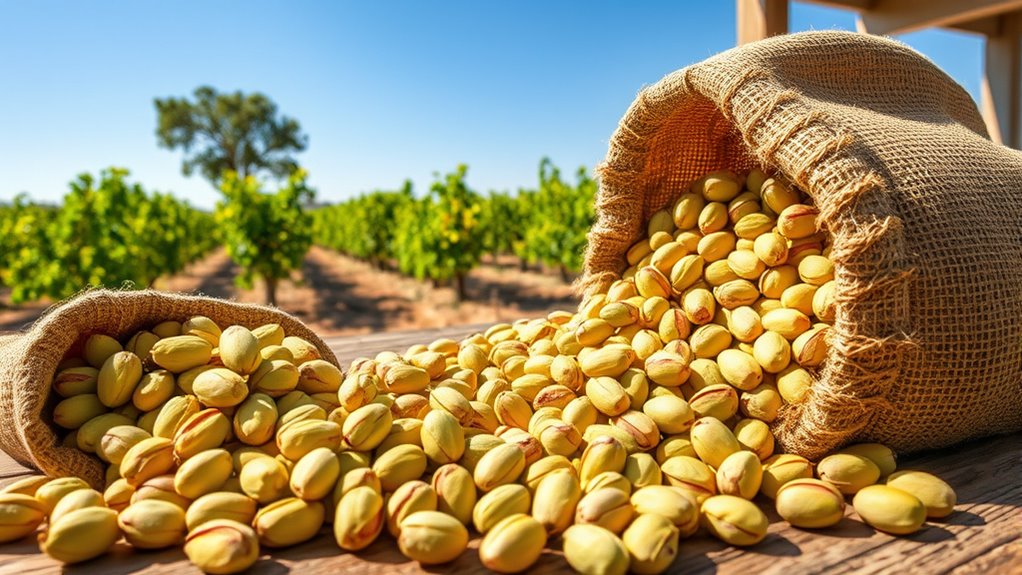

To source high-quality pistachios for gelato, start by choosing farms that prioritize sustainable cultivation, proper harvesting, and careful drying to preserve flavor and texture. Look for farms that use gentle harvesting techniques, naturally open hulls, and controlled drying methods to prevent mold and retain freshness. Ensuring the nuts are free from damage and meet quality standards is essential. Understanding each step from farm to process helps guarantee your pistachios deliver the best taste and texture; discover more about their journey next.
Key Takeaways
- Investigate the farm’s cultivation practices, including variety selection, soil health, and sustainable methods.
- Ensure proper harvesting techniques, such as timely hull splitting and gentle collection, to preserve nut quality.
- Confirm effective post-harvest drying methods to reduce moisture, prevent mold, and maintain flavor.
- Source from trusted producers with certifications like organic or sustainable standards for higher quality nuts.
- Assess final quality indicators, including flavor, size, and absence of damage, to select premium pistachios for gelato.

Are you curious about how to find the best pistachios for your needs? When sourcing high-quality pistachios, understanding the basics of pistachio cultivation and harvesting techniques can make a significant difference. Pistachio cultivation involves selecting the right varieties and ensuring ideal growing conditions. You want trees that are well-suited to your climate, with good disease resistance and consistent yields. Soil quality is essential—well-drained, sandy loam soils with a neutral pH help produce superior nuts. Proper irrigation, fertilization, and pest management are indispensable to maximize tree health and nut quality. As you explore different sources, knowing that a farm’s cultivation practices directly impact the flavor and texture of the pistachios can guide your choices. Additionally, choosing farms that prioritize proper harvesting techniques ensures that the nuts retain their optimal flavor and texture during processing. Harvesting techniques are just as important. Pistachios are ready to be harvested when the hull splits open naturally, signaling maturity. Skilled harvesters time their efforts perfectly to avoid under- or overripe nuts. Mechanical harvesters are common in large-scale operations, shaking the trees to dislodge the nuts, which are then collected promptly. In smaller farms, hand-picking may be preferred to preserve quality and avoid damage. After harvesting, pistachios are usually dried to reduce moisture content, which extends shelf life and prevents mold. Proper drying techniques—such as sun drying or using controlled environments—are necessary to maintain the nuts’ flavor and freshness. When sourcing pistachios, look beyond the packaging. Ask about the farm’s cultivation practices and harvesting methods. Farms that emphasize sustainable practices, careful harvesting, and proper drying tend to produce superior nuts. Certifications like organic or sustainable farming standards can also be indicators of quality. Remember, the journey from orchard to your kitchen table begins with how the pistachios are grown and harvested. Paying attention to these details guarantees you select nuts that are vibrant in flavor, consistent in size, and free from damage. Whether you’re making gelato or simply snacking, sourcing the best pistachios involves understanding these fundamental steps. Your choice of supplier can influence the final quality, so it’s worth doing your homework to find trusted producers who prioritize quality from the first pistachio to the last.

Yupik Organic Raw Pistachios, No Shells, 2.2 lb (35.2 oz), Gluten-Free, Non-GMO, Kosher, Vegan, Kernels, Unsalted, Crunchy Shelled Nuts, Source of Fiber & Protein, Healthy Snacks, For Baking, Cooking
Non-GMO, sulfite-free, vegetarian, vegan and all-natural
As an affiliate, we earn on qualifying purchases.
As an affiliate, we earn on qualifying purchases.
Frequently Asked Questions
How Are Pistachios Harvested for Optimal Quality?
During pistachio harvesting, you carefully pick nuts when their shells split naturally, signaling ideal ripeness. You use quality control techniques like sorting out damaged or underripe nuts to guarantee only the best make it through. Mechanical shakers may help gather nuts quickly, but handpicking allows for more precise selection. By timing your harvest and applying strict quality control, you ensure the pistachios maintain their flavor and texture for superior gelato.
What Are the Environmental Impacts of Pistachio Farming?
Think of pistachio farming as walking a tightrope—you need balance. It impacts the environment through water use and soil health. While water conservation efforts help, excessive irrigation can deplete resources and harm soil quality. Sustainable practices like efficient watering and soil management protect ecosystems and ensure future harvests. By prioritizing these, you diminish environmental footprints and keep pistachios a delicious, eco-friendly treat.
How Do Different Regions Affect Pistachio Flavor Profiles?
Different regions markedly influence pistachio flavor profiles through regional terroirs, which include soil composition, climate, and altitude. You’ll notice flavor variation depending on where the pistachios are grown, with some regions producing nuttier, more intense flavors, while others offer milder notes. This regional diversity allows you to select pistachios that best suit your desired taste, enhancing your gelato’s unique character and overall quality.
What Are Common Pest Issues in Pistachio Cultivation?
Pest issues in pistachio cultivation are like uninvited guests at a party—you need to keep them in check. Key pests include navel orangeworm, aphids, and scale insects. To combat this, you should implement pest control strategies like applying targeted treatments and practicing crop rotation, which helps break pest life cycles. Regular monitoring and integrated pest management are essential to protect your pistachio trees and guarantee a healthy harvest.
How Is Pistachio Freshness Maintained During Transportation?
You maintain pistachio freshness during transportation by ensuring proper pistachio storage and handling. Use airtight containers and keep the nuts in a cool, dry environment to prevent spoilage. Efficient transportation logistics are vital—opt for direct routes and temperature-controlled vehicles to minimize transit time and exposure to humidity. Regular inspections during transit also help catch any issues early, ensuring your pistachios arrive fresh and ready for gelato production.

SICANIA – Premium Pistachio Cream, 7.05 oz (200g) – Authentic Italian, Gluten-Free, Non-GMO – Gourmet Spread for Desserts, Pastries, Dubai Pistachio Chocolate Bar & More
DISCOVER THE TASTE OF ITALY: Indulge in the AUTHENTIC FLAVORS of Italy with SICANIA’s Pistachio Sweet Cream, meticulously…
As an affiliate, we earn on qualifying purchases.
As an affiliate, we earn on qualifying purchases.
Conclusion
As you embrace the journey of sourcing pistachios, remember that each nut symbolizes more than just flavor; it’s a seed of tradition, patience, and dedication. From farm to gelato, you’re nurturing a connection that goes beyond taste—you’re cultivating a story rooted in nature’s generosity. Let every pistachio you select remind you that true richness comes from respecting the land and honoring the craftsmanship behind each creamy spoonful.
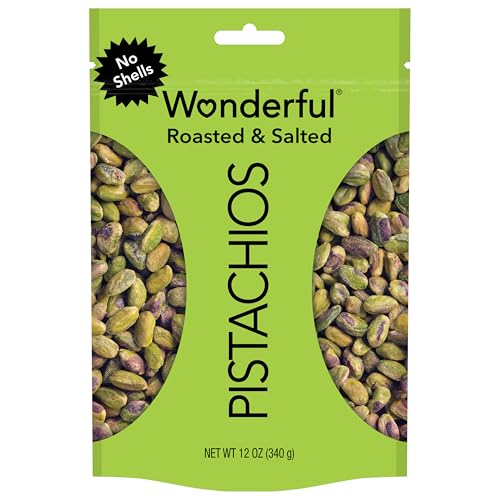
Wonderful Pistachios No Shells, Roasted & Salted Nuts, 12 Ounce Resealable Bag, Protein Snacks, Gluten Free, Healthy Snack
SIZE: Net Wt 12 Ounce (340g) No Shells – Our Wonderful Pistachios 12 oz bag is great to…
As an affiliate, we earn on qualifying purchases.
As an affiliate, we earn on qualifying purchases.

365 by Whole Foods Market, Dry Roasted Pistachio Kernels, No Salt Added, 10 Ounce
Ten ounces of dry roasted unsalted pistachio kernels
As an affiliate, we earn on qualifying purchases.
As an affiliate, we earn on qualifying purchases.