TL;DR

Get baking supplies delivered free with Prime
- Fast, free delivery on millions of items
- Prime Video, Amazon Music and more included
- Member-only deals all year
Good Housekeeping published nine kitchen organization ideas focused on using walls, drawers and refrigerator space more deliberately. The suggestions include pegboards, spice shelves, plate racks, drawer inserts and storage zones in the fridge; the report does not provide testing or cost comparisons.
Good Housekeeping has outlined nine kitchen organization ideas that use wall space, drawers and refrigerator zones to make common items easier to find and store. The suggestions range from hanging utensils on a pegboard to adding drawer dividers and arranging food by location in the fridge, offering readers practical options for kitchens with different storage needs.
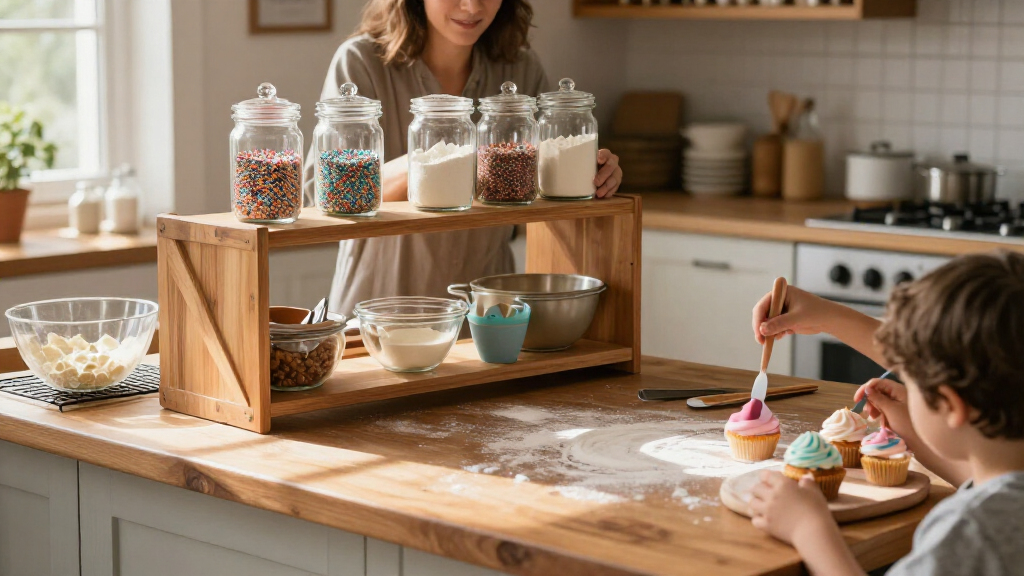
The ideas include three ways to move storage onto walls: a pegboard for frequently used utensils and cutting boards, shelves for spices decanted into matching jars, and a plate rack that can free cabinet or drawer space. The report also suggests bracketed shelves for glassware and a towel bar above the sink for items such as soup spoons or graters.
For drawers and open shelving, the report recommends customizable dividers to separate platters and casserole dishes, a built-in knife block to keep knives secured in a narrow drawer, and small wooden drawers for spices or measuring spoons. These options depend on the available layout and, in some cases, require installation or changes to existing cabinetry.
The refrigerator recommendation is to make food visible and assign items specific places. Good Housekeeping suggests using shelves and crisper drawers for produce, with leafy greens in the crisper; dairy on upper shelves; and meat on lower shelves or in bottom drawers. The report says visibility can help meal preparation and reduce food being overlooked, but it supplies no measured results or food-safety testing.
Making Storage Easier to Use
The list matters to readers because kitchen organization is not only about adding containers: several suggestions change where items are stored so daily-use tools and food are easier to see and reach. Moving plates or utensils to a wall can free cabinet space, while drawer inserts can keep stacked cookware from shifting or becoming difficult to retrieve.
The recommendations are adaptable rather than a single renovation plan. Renters or people avoiding permanent work might choose a freestanding or removable option where appropriate, while a built-in knife block or fixed shelving may suit homeowners planning a longer-term update. The report does not compare prices, installation requirements or suitability for particular kitchens, so readers will need to check measurements, mounting needs and their own storage priorities.
Food placement also has a practical dimension. Better visibility may help households remember what they have, but organization does not replace safe storage. Refrigerator temperatures and handling practices remain important, and the article does not set out food-safety instructions.
Products Worth Considering

De'Longhi Linea Classic Espresso Machine with Adjustable Milk Frother

Instant Pot InstantChill Ice Cream Maker with Rolled Ice Cream Cold Plate, 2-Pint

Ninja PossibleCooker Plus 6-in-1 8.5 Qt Black (MC1010)
As an affiliate, we earn on qualifying purchases.
From Wall Storage to Fridge Zones
The source is a Good Housekeeping home-organization report credited to lifestyle journalist Laura Millar. It presents nine design and storage suggestions rather than reporting a new product launch, study or policy change. The supplied material does not include a publication date, interviews, independent testing or data on how much space each idea saves.
The recommendations cover several parts of a kitchen: wall-mounted storage, open shelves, drawers and the refrigerator. Some are primarily decorative as well as functional, such as displaying patterned plates or colorful glassware. Others focus on access and separation, including organizing utensils on a pegboard and using drawer dividers for larger dishes.
Costs and Results Not Compared
The report does not say how much the ideas cost, how difficult each installation is, or whether the suggestions were tested in household kitchens. It also does not rank the nine options or identify which works best for small kitchens, renters or people with limited mobility.
The food-storage advice is brief and does not provide refrigerator temperature guidance, storage timelines or detailed handling instructions. Readers should not infer that placing food in a particular zone alone guarantees safe storage. The supplied source also gives no publication date, so its precise timing cannot be confirmed from the material provided.
Choose a Layout That Fits
Readers can start by identifying a specific problem—such as crowded drawers, hard-to-reach utensils or food getting lost in the fridge—then select an idea suited to that space. Before installing shelves, bars or a built-in knife block, check dimensions, wall support and whether the change is permitted in the home. For refrigerator organization, keep food within safe temperature limits and follow current food-safety guidance.
No follow-up testing or product comparisons are included in the source material. The next practical step is to assess the kitchen’s layout and budget, then adapt the suggestions rather than assume that all nine are appropriate for every home.
Key Questions
What are the nine kitchen organization ideas?
The report suggests a pegboard wall, spice shelves, plate rack, mini drawers, refrigerator zones, drawer dividers, a built-in knife block, bracketed shelves and a towel bar.
Which ideas can free up cabinet or drawer space?
A wall-mounted plate rack can move dishes out of a cabinet, while drawer dividers can organize platters and casserole dishes. Pegboards and bracketed shelves can also shift frequently used items or glassware onto walls.
Does the report say these ideas reduce food waste?
Good Housekeeping says keeping food visible may make it less likely that items are forgotten at the back of the fridge. The supplied report provides no measured results on food waste or meal-preparation time.
Does the refrigerator advice include food-safety temperatures?
No. The report suggests where to place produce, dairy and meat but does not give temperature guidance or storage timelines. Follow current food-safety recommendations for refrigerator temperature and food handling.
Source: goodhousekeeping.com