
TL;DR
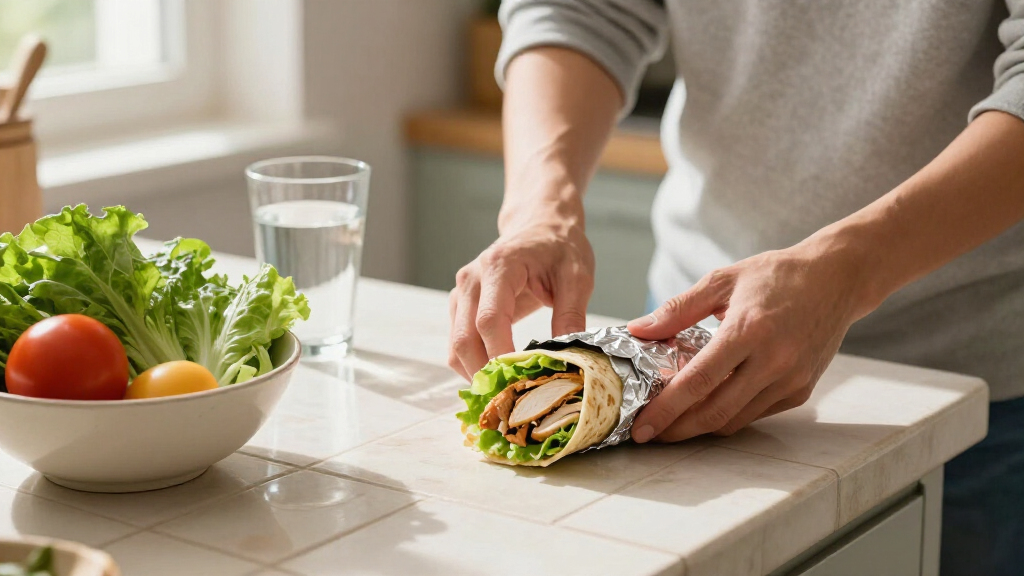
The reported patient count in an E. coli O157:H7 outbreak under investigation in connection with ready-to-eat chicken wraps has risen to 50, from 35 a week earlier. The FDA and USDA have not identified the brand, sales region or specific ingredient suspected, and say the wraps were removed before the connection was confirmed.
The number of reported patients in an E. coli O157:H7 outbreak that federal officials are investigating in connection with ready-to-eat chicken wraps has risen to 50, up from 35 a week earlier, according to the Food and Drug Administration. The FDA and U.S. Department of Agriculture have not named the wrap brand or said where the products were sold, leaving consumers without information to identify a specific product.

Get baking supplies delivered free with Prime
- Fast, free delivery on millions of items
- Prime Video, Amazon Music and more included
- Member-only deals all year
The FDA and USDA describe the product under investigation as “ready-to-eat multi-ingredient chicken wraps.” The agencies say the wraps were removed from the market before a connection to the outbreak was confirmed and are now past their shelf life. The FDA said investigators are examining possible contamination at the ingredient level; the source material does not identify a particular ingredient as the cause.
The agencies have not disclosed the brand, distribution area, or the food and locations involved in their investigation. The FDA says it has started traceback work, on-site inspections and sample testing, but has not specified what products are being traced, which sites are being inspected or what samples are being tested. USDA involvement reflects its authority over poultry, while FDA oversees the other ingredients. USDA is also working to determine whether the chicken was used in other products.
The FDA first posted the outbreak on September 23. Its public information does not include the patients’ ages or home locations. The latest count is an official count of reported patients; it does not establish how many people may have become ill but were never diagnosed or reported.
Why the Rising Count Matters
The increase from 35 to 50 reported patients in one week indicates that the recognized outbreak has grown, even as officials say the suspected wraps were removed from sale. Because the brand and sales region have not been made public, consumers cannot use the available information to check whether a particular wrap they bought was part of the investigation. The agencies’ statement that the products are past shelf life is not a substitute for identifying the product or explaining how the suspected contamination occurred.
The FDA has not shared patient-level details, and the source report notes that confirmed case counts can miss illnesses: some people do not seek medical care, and others may not receive testing that identifies E. coli. The CDC estimates that for every confirmed patient in an E. coli outbreak, 26 cases go undetected. That is a general estimate, not a verified multiplier for this specific outbreak, so it cannot be used to calculate its actual size.
The investigation also spans federal responsibilities for different parts of a multi-ingredient food. Determining whether chicken or another ingredient was involved could help investigators identify any related products or production points. USDA’s review of whether the chicken went into other foods may be relevant if the ingredient was distributed beyond the wraps, but officials have not confirmed that it was.
Products Worth Considering

Ninja Foodi DZ201 8-Quart DualZone 6-in-1 Air Fryer

Vitamix 5200 Blender with 64 oz Container, Black

De'Longhi La Specialista Touch Semi-Automatic Espresso Machine with Grinder
As an affiliate, we earn on qualifying purchases.
How the Wrap Investigation Began
The FDA first reported the E. coli outbreak on September 23, and the agency’s count was 35 patients a week before the October 16 update. The current total is 50. The source report does not provide the dates on which patients became ill, the states involved or a detailed timeline showing when the suspected wraps were distributed or withdrawn.
The product under investigation contains multiple ingredients, prompting both agencies to take part: USDA handles poultry oversight, while the FDA is responsible for the other ingredients. The FDA has described the wraps as removed before the link was confirmed, but has not named the company or explained when the removal occurred. Those details would help establish the scope of the withdrawal and whether other products could be involved.
The October 16 report also describes separate foodborne illness investigations, including other E. coli and Listeria outbreaks. Those are distinct investigations; their patient counts and suspected sources should not be confused with the 50-patient chicken-wrap outbreak.
“The wraps were “proactively removed from the market before the link to the outbreak was confirmed.””
— Food and Drug Administration
Brand and Contamination Source Unknown
Officials have not identified the brand, sales region or specific product lots, and the available information does not say which ingredient, if any, tested positive for E. coli. The FDA has not detailed the locations under inspection or the samples collected, so the public cannot assess the investigation’s geographic reach or whether testing has established a source.
It is also unclear when the wraps were removed, how many were distributed, whether any related products remain available, and whether the chicken was used in other foods. The patient count gives no breakdown by age, location or illness onset. Although federal officials are investigating the wraps, the source material does not report a confirmed finding that a particular brand or ingredient caused the outbreak.
Traceback and Testing Continue
The FDA’s reported next investigative steps are traceback, on-site inspections and sample testing. USDA is examining whether the chicken associated with the wraps may also have been used in other products. The findings could clarify whether the investigation is limited to the wraps or extends to additional foods, but no results or timetable have been announced in the source material.
Readers should watch for updates identifying the product, distribution area, test results or any new public health instructions. For now, officials have not provided enough information to match a particular brand or purchase to the investigation. The reported case total may also change as health authorities continue to identify and confirm illnesses.
Key Questions
How many people have been reported sick in the chicken-wrap E. coli outbreak?
The FDA’s reported count is 50 patients, up from 35 a week earlier. The source report does not provide a breakdown by age, location or illness date.
What food are federal agencies investigating?
The FDA and USDA are investigating ready-to-eat multi-ingredient chicken wraps. The agencies have not named a brand or identified a specific ingredient as the source.
Are the wraps still being sold?
The FDA says the wraps were removed from the market before the link to the outbreak was confirmed and are past their shelf life. Officials have not disclosed the brand, sales region or details of the removal.
Has a specific ingredient been confirmed as contaminated?
No confirmed ingredient is identified in the available report. The FDA said it is investigating possible ingredient-level contamination, while USDA is checking whether the chicken was used in other products.
Why might the actual number of illnesses be higher than 50?
Some people with foodborne illness may not seek medical care, and some who do may not be tested for E. coli. The CDC’s general estimate cited in the report is 26 undetected cases for each confirmed patient in an E. coli outbreak; it is not a verified estimate for this outbreak.
Source: rss