Granita and gelato are two popular Italian frozen treats that offer very different experiences. Granita has a coarser, icy texture with higher sugar content, making it invigorating and ideal for hot days. Gelato is creamier, served at slightly warmer temperatures, highlighting natural flavors with less sugar for a smooth, luxurious mouthfeel. If you explore further, you’ll discover how each is crafted to deliver its unique texture and taste.
Key Takeaways
- Granita has higher sugar content and an icy, crystalline texture, while gelato is creamier with slightly less sugar.
- Served at colder temperatures, granita feels brisk and refreshing, whereas gelato’s warmer serving highlights its smooth, velvety consistency.
- Granita emphasizes intense fruit flavors with a crisp bite, while gelato’s lower sugar allows natural ingredients to shine in a rich, indulgent form.
- Ideal for hot days and quick cooling, granita offers an invigorating experience; gelato suits slow savoring for a luxurious treat.
- Granita uses fruit juice or flavored water frozen into crystals, whereas gelato relies on milk and cream for a dense, smooth texture.
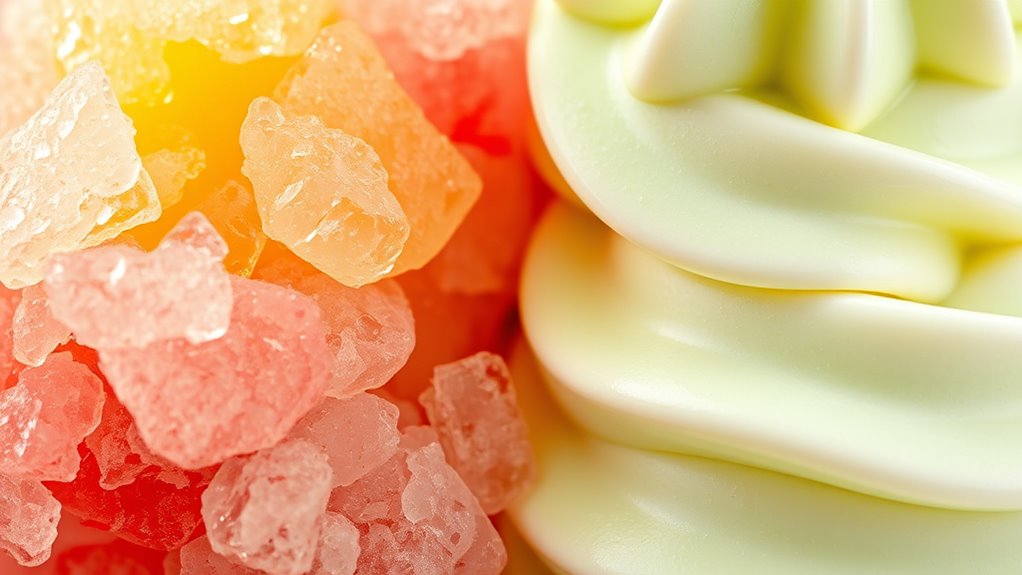
When choosing between granita and gelato, understanding their differences can help you pick the perfect treat for any occasion. One key factor to contemplate is their sugar content. Granitas tend to have a higher sugar level, which balances the intense flavors of fruit or other ingredients. The sugar not only enhances taste but also affects texture, making granita’s icy, granular consistency possible. Gelato, on the other hand, usually has a slightly lower sugar content, allowing the natural flavors of the ingredients to shine through without being overly sweet. This difference in sugar influences how each treat feels on your palate—granita is more invigorating and brisk, while gelato offers a smoother, creamier experience.
Granita’s higher sugar content creates an icy, invigorating texture, while gelato’s lower sugar results in a smooth, creamy experience.
Another important aspect is serving temperature. You’ll find that gelato is typically served at a slightly warmer temperature than traditional ice cream, around 10-15°F (-12 to -9°C). This warmer serving temperature allows the rich, dense texture to be more pronounced and accessible, giving it that silky mouthfeel. Granita, by contrast, is served very cold—closer to -20°F (-29°C)—which keeps its crystalline structure intact. The colder temperature results in a refreshing, icy bite that’s perfect for hot days. The temperature differences also influence how each treat melts in your mouth: gelato melts quickly, releasing its full flavor profile smoothly, whereas granita melts more slowly, offering a crisp, invigorating sensation.
Understanding these factors helps you appreciate why each treat feels different and suits different occasions. If you’re after something intensely flavorful with a lot of fruit, served icy cold and with a high sugar content, granita is your best choice. It’s ideal for summer afternoons or when you want a quick, cooling respite. Conversely, if you prefer a rich, creamy dessert that’s less sweet, served slightly warmer for maximum smoothness, gelato delivers a luxurious experience. Its lower sugar content and softer serving temperature make it more indulgent, perfect for savoring slowly.
In addition, the type of ingredients used in each treat also influences their texture and flavor profile, with gelato often featuring milk and cream that create a dense, velvety body, while granita typically relies on fruit juice or flavored water frozen into crystals. Understanding these differences in sugar content and serving temperatures shape the unique identities of granita and gelato. Each offers a distinct sensory experience—one crisp and icy, the other smooth and velvety. Knowing these distinctions allows you to select the right frozen treat depending on your mood, the weather, or the occasion. Whether you crave the invigorating chill of a granita or the decadent creaminess of gelato, understanding these nuances ensures you enjoy each bite to the fullest.

Lello 4080 Musso Lussino 1.5-Quart Ice Cream Maker, Stainless – 110/120V 60 HZ
1-1/2-quart capacity bowl freezes 3 quarts of ice cream or sorbet per hour
As an affiliate, we earn on qualifying purchases.
As an affiliate, we earn on qualifying purchases.
Frequently Asked Questions
Which Frozen Treat Is Healthier: Granita or Gelato?
You’ll find that granita is generally healthier than gelato because it has lower sugar content and calorie count. Granita’s icy texture means it’s often made with more water and less cream, reducing fat and calories. Gelato, on the other hand, contains more dairy and sugar, making it richer and higher in calories. If you’re watching your intake, opt for granita to enjoy a lighter, revitalizing treat.
How Long Does Each Treat Typically Last in Storage?
If you want to keep your frozen treats at their best, you should know that granita typically stays good in the freezer for about 1 to 2 months, while gelato’s freezer life is usually around 2 to 3 months. Proper storage in an airtight container helps preserve their flavor and texture. To enjoy them at their peak, try to consume them within these time frames, avoiding long-term storage to prevent freezer burn.
Can Granita or Gelato Be Made Dairy-Free at Home?
Yes, you can make dairy-free granita or gelato at home. For dairy-free options, use alternatives like coconut milk, almond milk, or cashew cream in your homemade recipes. Simply blend your chosen milk with fruit, sweetener, and flavorings, then freeze, stirring occasionally for granita or churning for gelato. These substitutions are easy to incorporate, allowing you to enjoy delicious, dairy-free frozen treats tailored to your preferences.
Which Treat Is More Popular Among Tourists in Italy?
You’ll find gelato more popular among tourists in Italy, especially during peak summer months. Its creamy texture and wide variety of flavors attract visitors seeking a classic Italian experience. Tourist preferences often lean toward gelato for its smoothness, but seasonal popularity can shift—granita becomes more favored in hot, dry months due to its invigorating, icy consistency. Overall, gelato tends to be the go-to treat for most tourists exploring Italy.
Are There Regional Variations of Granita and Gelato Across Italy?
You’ll find regional variations of granita and gelato across Italy, each bursting with unique flavors rooted in traditional recipes. In Sicily, you might indulge in intensely fruity, citrusy granita, while in Tuscany, creamy pistachio gelato reigns supreme. These local flavors reflect Italy’s rich culinary diversity, making each region’s frozen treats a delicious reflection of its cultural identity. Expect bold, authentic tastes that showcase Italy’s incredible regional flavor palette.
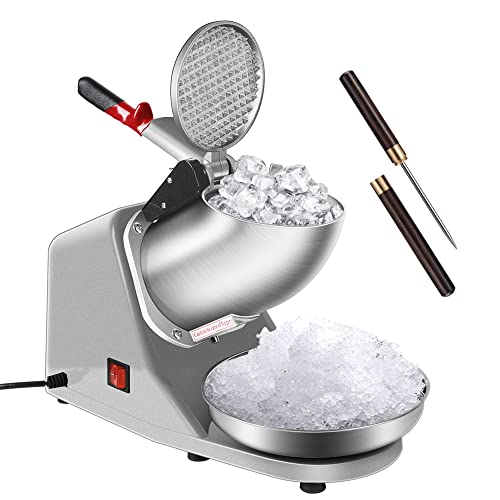
VIVOHOME Electric Ice Shaver Snow Cone Maker Machine Silver 143lbs/hr with Ice Pick for Home and Commercial Use
HIGH EFFICIENCY: Equipped with a high-power motor and precision-engineered blades, this ice crusher produces light, fluffy snow ice…
As an affiliate, we earn on qualifying purchases.
As an affiliate, we earn on qualifying purchases.
Conclusion
So, now you know the difference between granita and gelato. Think of granita as a invigorating breeze on a hot day—crisp and icy—while gelato is like a creamy, velvety hug for your taste buds. Whether you crave the icy crunch or the smooth richness, both treats bring a little bit of Italy’s sweet magic to your palate. Now, next time you indulge, you’ll appreciate just how unique each one truly is.
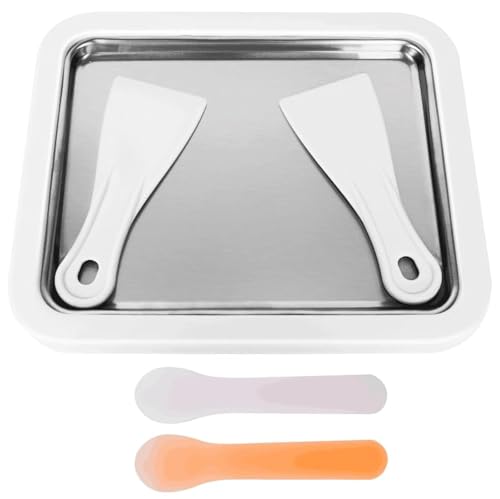
DUELLING DOLLS Rolled Ice Cream Maker – Pan and Spatulas Kit for Frozen Yoghurt, Gelato, Sorbet, Soft Serve, Slushy, Granita – with Color Changing Spoons
MULTIPLE APPLICATIONS: Create any flavor of ice-cream, granita, frozen yoghurt, slushies, sherbet, gelato, fruit sorbet, helados, frozen desserts…
As an affiliate, we earn on qualifying purchases.
As an affiliate, we earn on qualifying purchases.

Popsicle Molds Silicone Ice Pop Mold for 6 Pieces, BPA Free, Homemade Frozen Dessert
QUALITY MOLD: Made of BPA-free silicone, the mold makes 6 ice pops.
As an affiliate, we earn on qualifying purchases.
As an affiliate, we earn on qualifying purchases.