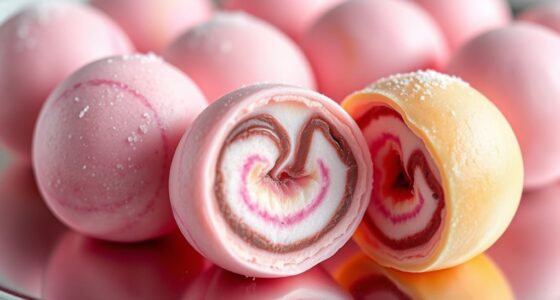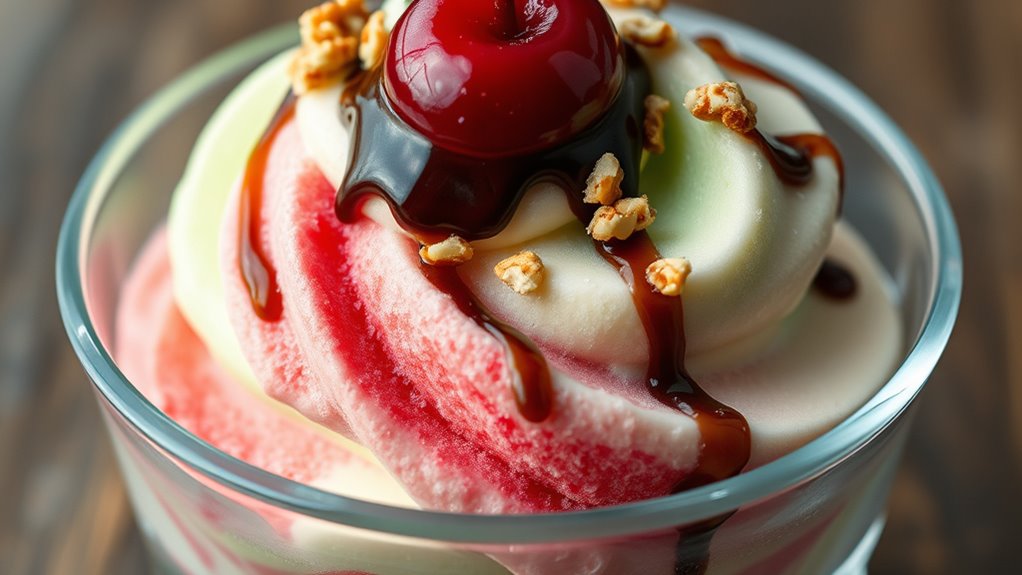

If you prefer a refined, authentic Italian experience, gelato is your best choice with its dense texture, intense flavors, and natural ingredients, often enjoyed on its own. On the other hand, if you love fun, colorful toppings, and a more playful presentation, an ice cream sundae offers a variety of flavors, creams, and toppings like sprinkles and syrup for endless customization. To discover how these desserts bring Italian influence to life, keep exploring the differences.
Key Takeaways
- Gelato features intense, natural flavors with a dense, smooth texture, emphasizing ingredient quality over sweetness.
- Ice cream sundaes are lighter, fluffier, and often topped with diverse toppings for added flavor and visual appeal.
- Gelato is typically enjoyed without toppings, focusing on pure flavor; sundaes are customizable with syrups, nuts, and whipped cream.
- The Italian-inspired gelato offers a refined, authentic experience, while sundaes highlight fun, indulgence, and creative mixing.
- Choice depends on whether you prefer sophisticated, ingredient-rich flavors or a playful, topped dessert experience.
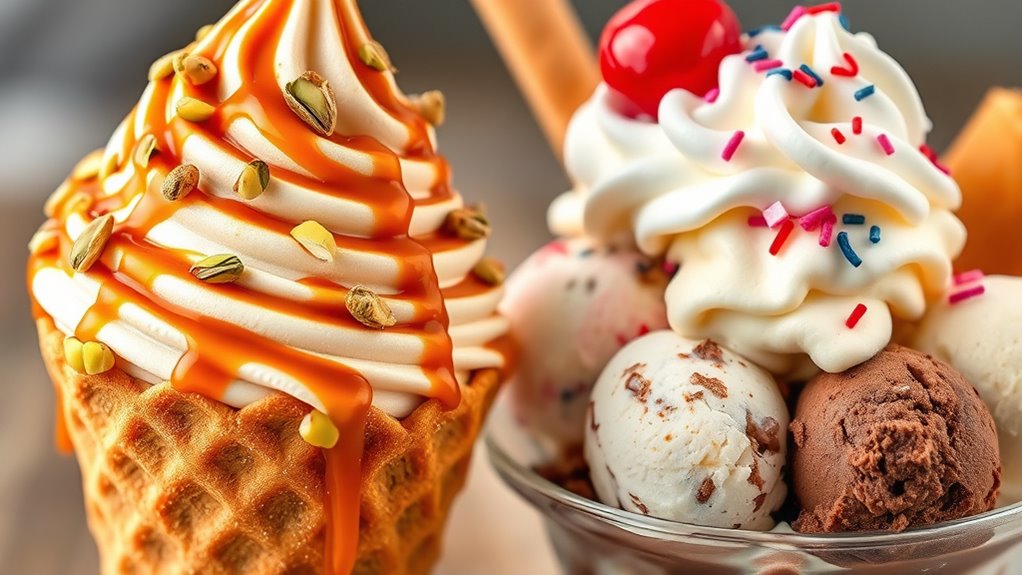
Have you ever wondered how gelato stacks up against a classic ice cream sundae? The answer lies in their distinct characteristics, especially when it comes to flavor profiles and toppings. Gelato, the Italian frozen treat, offers a different experience compared to the traditional ice cream sundae. Its flavor profiles are generally more intense and refined, thanks to a higher proportion of milk and a lower amount of cream and air. This results in a denser, silkier texture that highlights the richness of the ingredients. You might notice that gelato favors bold, well-balanced flavors—think of rich pistachio, vibrant lemon, or deeply roasted coffee—rather than overly sweet or artificially flavored options. Its natural, fresh taste makes every bite feel more like a culinary experience than just a dessert.
Gelato offers bold, refined flavors with a dense, silky texture for a true culinary experience.
In contrast, the classic ice cream sundae is often characterized by its playful variety of flavors and toppings. You could have everything from chocolate, vanilla, or strawberry to more inventive options like cookie dough or caramel pecan. The flavor profiles tend to be sweeter and more accessible, appealing to a wide range of tastes. Since sundaes are usually layered with toppings like whipped cream, hot fudge, sprinkles, nuts, cherries, and syrups, they invite you to customize each spoonful. These toppings add texture and additional flavor contrasts, making each bite a combination of creamy sweetness and crunchy or tangy accents. The variety in toppings creates a sensory experience that’s more about indulgence and visual appeal, often emphasizing fun and nostalgia.
When choosing between the two, your preference for flavor profiles and toppings plays a big role. If you crave something with a more nuanced, authentic taste, gelato’s concentrated flavors will likely satisfy you more. Its smooth, dense consistency also means a smaller serving can feel more satisfying, especially when paired with the right toppings like fresh fruit or a drizzle of honey. Additionally, gelato is often made with high-quality ingredients, which can elevate the overall taste experience as noted in the high-quality ingredients. On the other hand, if you love the idea of a customizable, topped-to-perfection dessert, the ice cream sundae offers endless possibilities. The toppings aren’t just add-ons—they’re integral to the experience, allowing you to craft your perfect sweet creation each time.
Ultimately, whether you prefer the sophisticated, intense flavor profiles of gelato or the playful, topping-rich indulgence of a sundae, both bring something special to the table. The choice depends on whether you’re in the mood for a refined, authentic taste or a fun, customizable treat loaded with toppings. Either way, both desserts celebrate the joy of frozen sweetness—just in very different styles.
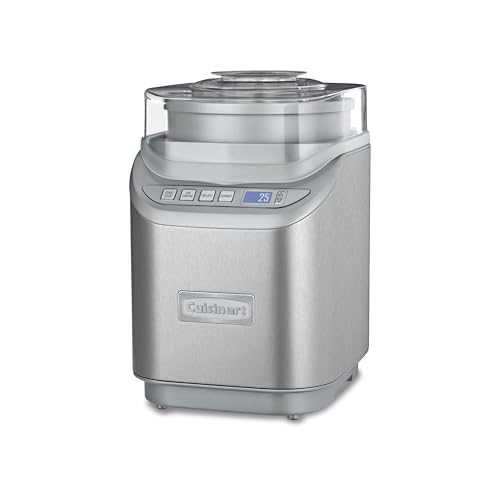
Cuisinart Ice Cream Maker Machine, 2-Quart Stainless Steel Frozen Yogurt, Gelato, Sorbet, Ready in 20 Minutes, LCD Screen and Timer, ICE-70P1
SUPERIOR FUNCTION: This Cuisinart Ice Cream Maker Machine makes delicious frozen treats in as little as 20 minutes.
As an affiliate, we earn on qualifying purchases.
As an affiliate, we earn on qualifying purchases.
Frequently Asked Questions
What Is the Origin of Gelato Compared to Ice Cream Sundaes?
You’ll find that gelato’s historical evolution dates back to 16th-century Italy, highlighting its deep cultural significance in Italian tradition. In contrast, ice cream sundaes originated in the United States in the late 19th century, reflecting American innovation. While gelato emphasizes dense, creamy textures rooted in Italian heritage, ice cream sundaes became a popular American treat, showcasing a different cultural approach to frozen desserts.
How Do Traditional Italian Ingredients Influence Gelato’s Flavor?
Traditional Italian ingredients shape gelato’s distinct flavor profiles by emphasizing fresh, natural elements like high-quality milk, sugar, and seasonal fruits. You’ll notice that these ingredients create a richer, creamier texture and more intense, authentic tastes. Unlike American ice cream, gelato’s focus on fewer, natural components allows the true essence of each ingredient to shine through, giving you a genuine Italian flavor experience with every spoonful.
Are There Health Benefits to Choosing Gelato Over Ice Cream Sundaes?
Choosing gelato over ice cream sundaes can offer some health benefits. You’ll typically consume fewer calories because gelato’s calorie content is lower, thanks to its higher density of flavor and less fat. Additionally, gelato often has better nutritional value, with less sugar and more natural ingredients. This makes it a smarter choice if you’re watching your calorie intake or seeking a dessert with slightly more health-conscious ingredients.
How Does Storage Affect the Texture of Gelato Versus Ice Cream?
Storage preservation and temperature effects play a vital role in maintaining gelato’s smooth texture, unlike ice cream. You should keep gelato at a slightly warmer temperature, around -10°C, to prevent it from becoming overly icy and hard. If stored too cold, it crystallizes and loses its creamy consistency. Ice cream, on the other hand, can handle colder temperatures without as much texture change. Proper storage guarantees both stay delicious, but gelato’s texture is more sensitive to temperature fluctuations.
Can Gelato Be Made Vegan or Dairy-Free?
Yes, you can make gelato vegan or dairy-free. Imagine indulging in a rich, creamy treat without dairy—thanks to vegan alternatives like coconut milk, almond milk, or cashew cream. These dairy-free options mimic traditional textures, keeping gelato smooth and decadent. So, whether you’re avoiding dairy or just craving something different, you’ll discover that vegan alternatives open up a world of delicious, plant-based gelato possibilities you never knew existed.
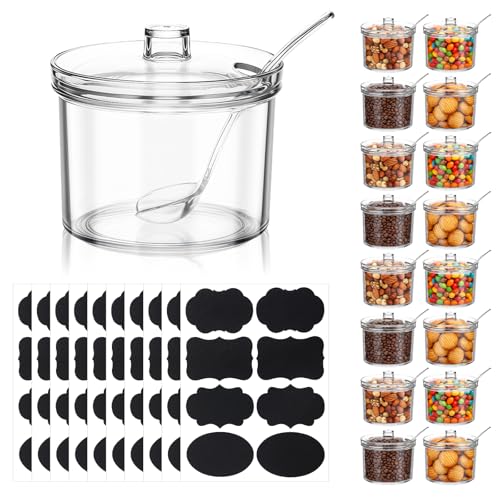
Aphumedc 16Pcs Toppings Containers with Lids and Spoon with Tag, 7.1 Oz Clear Acrylic Sugar Salt Dispenser for Countertop, Ice Cream Sundae Toppings, Condiment Organizer Set for Restaurant Supplies
【Durable Acrylic Material】 Crafted from high-quality acrylic, these sugar containers are shatter-resistant and built to last. The sturdy…
As an affiliate, we earn on qualifying purchases.
As an affiliate, we earn on qualifying purchases.
Conclusion
No matter which treat you choose, you’re in for a delightful experience. Whether you prefer the creamy richness of gelato or the nostalgic fun of an ice cream sundae, both bring their own charm to the table. So, don’t put all your eggs in one basket—try them both and see which one steals your heart. After all, variety is the spice of life, and with these classics, you’re in for a sweet ride.
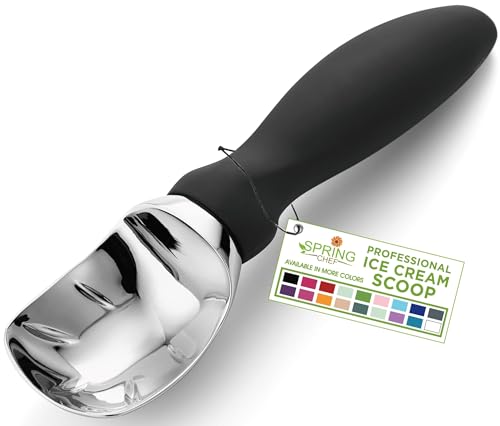
Spring Chef Heavy Duty Ice Cream Scoop with Comfortable Handle – Professional Ice Cream Scooper for Gelato, Sorbet, Cookie Dough, Melon, Frozen Yogurt – Dishwasher Safe Metal Kitchen Tool – Black
THE LAST ICE CREAM SCOOP YOU'LL NEED – Genuine heavy duty tool that is strong and sturdy with…
As an affiliate, we earn on qualifying purchases.
As an affiliate, we earn on qualifying purchases.

ZENFUN 6 Pack Glass Tulip Sundae Cups, 7 Fl Oz Clear Milkshakes Footed Ice Cream Cups Dessert Bowls Set for Sherbet Trifle, Fruit, Salad, Snack, Cocktail
ZENFUN set of 6 glass tulip sundae cups, capacity 6oz, size: Dia 3.9 x H 5.3 inches, perfect…
As an affiliate, we earn on qualifying purchases.
As an affiliate, we earn on qualifying purchases.