
In Southeast Asia, artisanal gelato shops are reinventing classic desserts with tropical flavors like mango, coconut, durian, and lychee, combining local ingredients with innovative techniques. Many focus on handcrafted methods, using fresh, organic produce and regional spices such as lemongrass and pandan. These unique flavors create a vibrant, authentic experience that appeals to both locals and tourists, helping gelato shift from a foreign treat to a beloved regional favorite. Discover how these flavor innovations are shaping new markets.
Key Takeaways
- Southeast Asian gelato artisans emphasize handcrafted techniques, using fresh local ingredients like tropical fruits and herbs for authentic flavors.
- Innovative flavor profiles incorporate regional ingredients such as durian, pandan, chili, and lemongrass, blending tradition with creativity.
- The market shift towards high-quality, artisanal gelato enhances local dessert offerings, attracting both tourists and locals.
- Fusion of regional culinary traditions into gelato creates unique, story-telling flavors that reflect Southeast Asia’s diverse gastronomic heritage.
- Sustainable practices and local sourcing boost appeal, positioning gelato shops as premium, culturally rich dessert destinations in emerging markets.

Have you ever wondered how gelato has become a beloved treat across Southeast Asia? It’s a fascinating journey of culinary creativity and cultural blending. Local artisans and passionate entrepreneurs have embraced artisan techniques to craft gelato that stands out from traditional ice creams. Instead of relying solely on industrial methods, these artisans focus on quality ingredients, slow churning processes, and meticulous attention to detail. This dedication results in gelato with rich textures and authentic flavors that capture the essence of the region. You’ll notice that many shops emphasize handcrafted approaches, sourcing fresh local produce, spices, and herbs to create unique flavor profiles. This artisanal focus elevates gelato from a simple frozen dessert to a gourmet experience, appealing to both locals and tourists seeking something special.
At the same time, flavor innovations are reshaping what you expect from gelato in Southeast Asia. Instead of sticking to classic vanilla or chocolate, creators experiment boldly with tropical fruits like mango, coconut, lychee, and durian, bringing vibrant, fresh tastes to their offerings. These flavor innovations reflect the region’s diverse ingredients and culinary traditions, making each scoop a reflection of local culture. Some artisans combine unexpected ingredients—such as chili, lemongrass, or pandan—to create complex, exciting flavors that challenge your palate. These inventive twists not only celebrate Southeast Asia’s rich gastronomic heritage but also push the boundaries of traditional gelato, making it more relevant and appealing to modern consumers.
Moreover, the rise of gelato shops that focus on artisan techniques and flavor innovations highlights a shift in the region’s dessert scene. Entrepreneurs see the potential to differentiate themselves by offering high-quality, handcrafted products that emphasize both authenticity and creativity. They often incorporate sustainable practices, like using organic ingredients or supporting local farmers, which further enhances the appeal of their gelato. This combination of craftsmanship and innovation helps to elevate gelato’s status from a foreign novelty to a locally embraced delicacy. Additionally, the support hours of these shops can influence when visitors choose to indulge, impacting their overall experience. As you explore these shops, you’ll notice how each flavor tells a story—whether it’s a nostalgic taste of childhood or an adventurous fusion of regional ingredients. This culinary evolution exemplifies Southeast Asia’s dynamic palate and its ongoing quest to reimagine familiar treats through artisan techniques and flavor innovations.
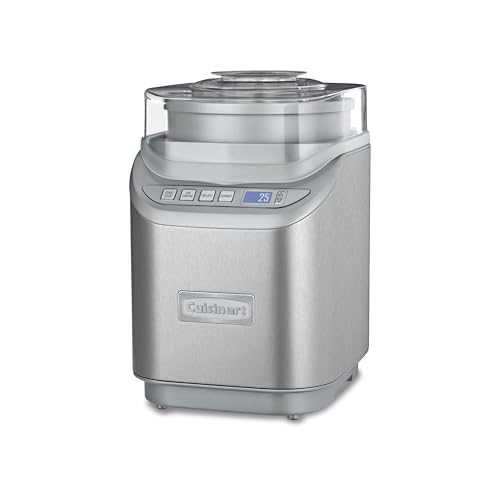
Cuisinart Ice Cream Maker Machine, 2-Quart Stainless Steel Frozen Yogurt, Gelato, Sorbet, Ready in 20 Minutes, LCD Screen and Timer, ICE-70P1
SUPERIOR FUNCTION: This Cuisinart Ice Cream Maker Machine makes delicious frozen treats in as little as 20 minutes.
As an affiliate, we earn on qualifying purchases.
As an affiliate, we earn on qualifying purchases.
Frequently Asked Questions
How Do Local Ingredients Influence Gelato Recipes?
Local ingredients greatly influence gelato recipes by adding authentic tropical flavors. You can incorporate local fruit like mango, durian, or lychee to create vibrant, region-specific options. Spice infusions with ingredients like cardamom or cinnamon add unique depth. These ingredients help you craft gelato that captures the essence of Southeast Asia, appealing to both locals and tourists seeking genuine, flavorful experiences.
What Are the Biggest Challenges for Gelato Exporters?
Think of export logistics as the bridge connecting your gelato dreams to new markets. You’ll face challenges sourcing fresh, tropical ingredients that retain quality during transit. Managing customs, maintaining cold chains, and managing transportation costs can feel like climbing a mountain. But with careful planning, you turn these obstacles into stepping stones, ensuring your vibrant flavors reach eager customers worldwide, turning passion into global success.
How Do Seasonal Changes Affect Gelato Sales?
Seasonal demand markedly impacts gelato sales, especially in tropical regions where climate impact varies. During hotter months, sales usually spike as people seek cool treats, but cooler seasons may see a decline. You can counteract this by introducing seasonal flavors or promoting gelato as a year-round indulgence. Understanding these patterns helps you plan inventory and marketing strategies, ensuring steady sales despite seasonal changes.
Are There Regional Preferences for Gelato Flavors?
You’ll notice regional taste preferences strongly influence gelato flavors across Southeast Asia, with mango, coconut, and durian leading the way. Around 65% of consumers prefer local, tropical ingredients, shaping flavor innovation trends. This regional diversity encourages gelato makers to craft unique flavors that resonate with local palates, making each market special. Embracing these preferences helps you connect more deeply with customers and stay ahead in the vibrant gelato scene.
What Certifications Are Needed for Gelato Production?
You need to obtain specific gelato certification to meet quality standards and guarantee your product is safe for consumers. Certifications like HACCP, ISO 22000, or local food safety approvals demonstrate compliance with health and safety regulations. These certifications help you establish credibility, improve product quality, and access new markets. Make sure to research the requirements in your country or target export markets to stay compliant and confidently produce high-quality gelato.
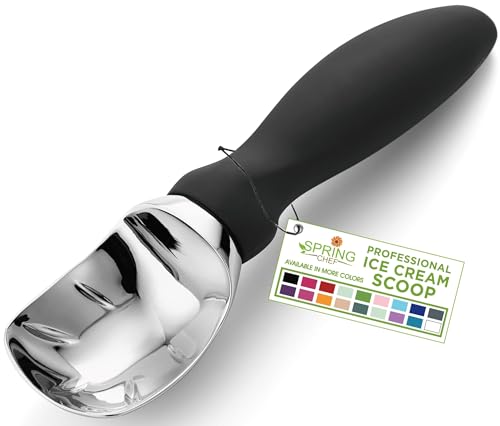
Spring Chef Heavy Duty Ice Cream Scoop with Comfortable Handle – Professional Ice Cream Scooper for Gelato, Sorbet, Cookie Dough, Melon, Frozen Yogurt – Dishwasher Safe Metal Kitchen Tool – Black
THE LAST ICE CREAM SCOOP YOU'LL NEED – Genuine heavy duty tool that is strong and sturdy with…
As an affiliate, we earn on qualifying purchases.
As an affiliate, we earn on qualifying purchases.
Conclusion
Now that you’ve seen how gelato is melting hearts across Southeast Asia, it’s clear this trend is here to stay. With vibrant flavors inspired by the tropics and new markets opening up, you’re right in the thick of it. As the saying goes, the proof is in the pudding—or in this case, the scoop. So, keep an eye out; this sweet journey is only just beginning, and you won’t want to miss a single delicious moment.
tropical fruit gelato flavors kit
As an affiliate, we earn on qualifying purchases.
As an affiliate, we earn on qualifying purchases.

Rhubarb Flavor Extract (1 oz, ZIN: 529529)
Our Rhubarb Flavor Extract is perfect when used with beverages, fillings, sorbets, gelatos, cookies, fruit glazes, breads, sauces,…
As an affiliate, we earn on qualifying purchases.
As an affiliate, we earn on qualifying purchases.