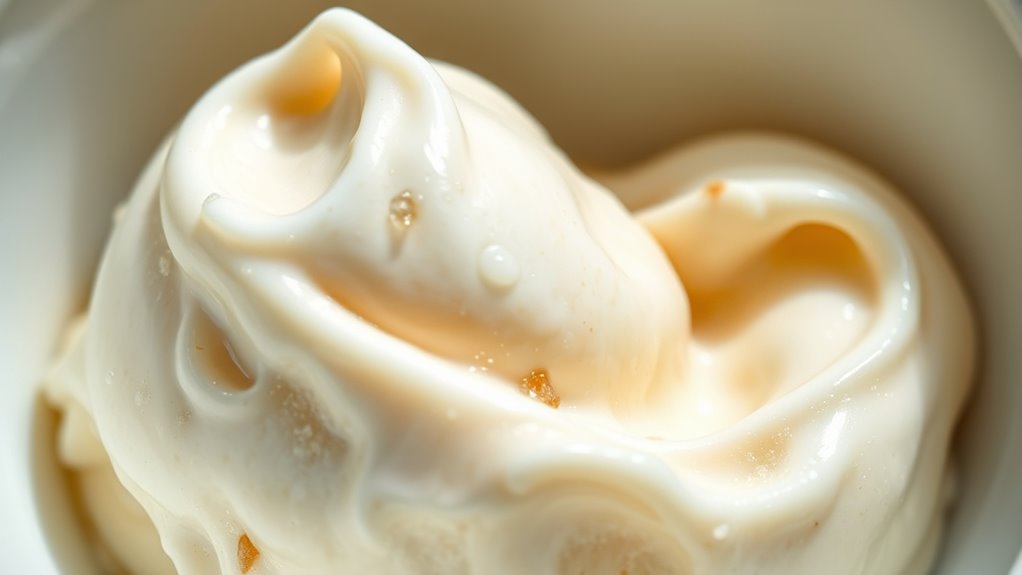

To master gelato’s texture, you need to understand how ingredient ratios influence freezing and ice crystal formation. Using less fat and air than ice cream, you adjust milk, sugar, and flavorings to control the freezing point. Proper balance prevents it from becoming too solid or grainy, resulting in a smooth, creamy texture. Precise measurements and freezing techniques are key, and if you explore further, you’ll learn how these science-driven methods create the perfect gelato experience.

Get baking supplies delivered free — and shop member deals
- Fast, free delivery on millions of items
- Access to Prime Big Deal Days deals on October 6–7
- Prime Video, Amazon Music and more included
Key Takeaways
- Precise ingredient ratios, especially sugar and fat, control the freezing point and prevent large ice crystal formation.
- Lower freezing points from sugar and emulsifiers allow slower freezing, resulting in a smoother texture.
- Proper freezing techniques and equipment management influence ice crystal size and overall gelato creaminess.
- Balancing water, milk, and flavorings affects how quickly and evenly gelato freezes.
- Mastering freezing dynamics ensures optimal texture, scoopability, and melt-in-the-mouth quality of gelato.
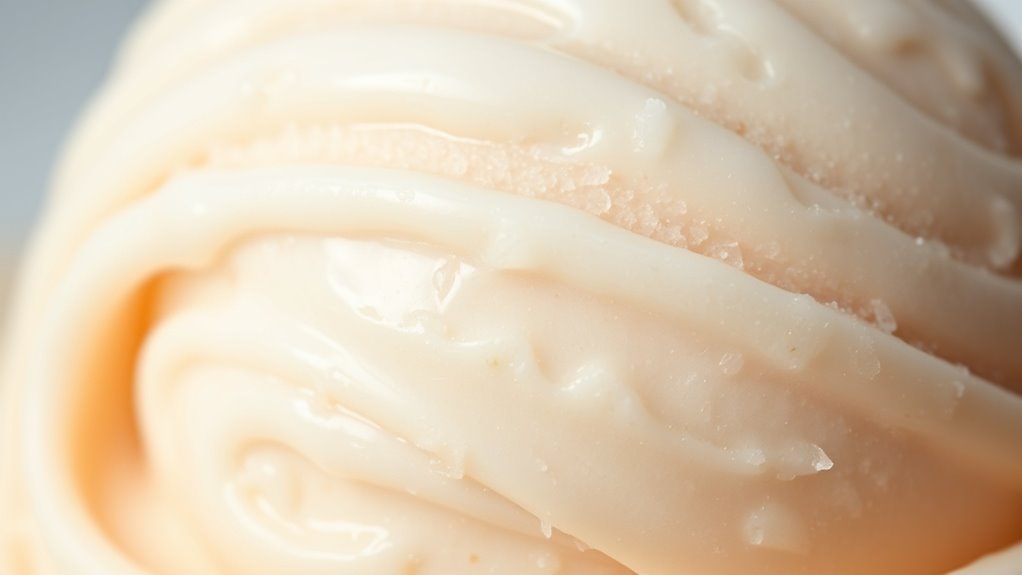
Gelato may seem like just a delicious treat, but behind its smooth texture and intense flavor lies fascinating science. One of the most critical factors in achieving that perfect, creamy consistency is understanding ingredient ratios and how they influence the freezing point. Unlike ice cream, gelato contains less fat and air, which means the balance of ingredients—milk, sugar, and flavorings—directly impacts how it freezes and feels in your mouth. When you adjust these ratios, you change the freezing point; for example, increasing sugar lowers the freezing point, preventing the gelato from becoming too hard. This delicate balance allows gelato to stay soft and scoopable, even at colder temperatures. As you craft your batch, paying attention to these ratios ensures that the gelato won’t freeze into a solid block but will maintain that silky, velvety texture you crave.
Understanding ingredient ratios and freezing point is key to perfect, scoopable gelato.
The freezing point is a pivotal concept in gelato making because it determines how quickly and uniformly the mixture solidifies. When you mix the ingredients, the goal is to reach a temperature where the water in the milk and other components starts to freeze but doesn’t turn into ice crystals large enough to ruin the smoothness. By carefully controlling the ingredient ratios, you manipulate this freezing point. Too much sugar, and the mixture won’t freeze properly, resulting in a softer, more pudding-like texture. Too little sugar, and it freezes too quickly, forming larger ice crystals that make the gelato gritty. Achieving the right balance prevents this and ensures a creamy consistency. This process is why gelato makers often use precise measurements and high-quality ingredients—each component influences the freezing dynamics and final texture.
Furthermore, the way the mixture is frozen influences the formation of ice crystals, which are tiny in well-made gelato. When you understand how ingredient ratios affect the freezing point, you can better control the size of these crystals. Lowering the freezing point with the right amount of sugar allows the gelato to freeze more slowly, giving small ice crystals time to form, which contributes to its signature smoothness. Faster freezing, on the other hand, tends to create larger crystals, resulting in a grainy texture. So, it’s not just about the ingredients but also about the technique and equipment used to freeze the mixture. Understanding freezing point is essential for achieving the ideal texture and mouthfeel. By mastering these elements, you can produce gelato that melts effortlessly in your mouth, with every bite delivering that perfect balance of flavor and texture.
In the end, understanding ingredient ratios and their effect on the freezing point empowers you to craft superior gelato. It’s science in action—adjusting these variables lets you manipulate how your gelato freezes and how it feels on your palate. When you pay attention to these details, you’re not just making a frozen dessert; you’re creating a culinary experience that highlights the precise interplay of chemistry and technique.
As an affiliate, we earn on qualifying purchases.
Frequently Asked Questions
How Does Air Incorporation Affect Gelato Texture?
Air incorporation impacts gelato texture by creating air bubbles within the foam structure. When you mix air into gelato, it results in a smoother, lighter feel, as the bubbles reduce density. Proper aeration guarantees a delicate, velvety consistency, making each bite feel airy yet creamy. Too much air, however, can lead to a chalky or overly fluffy texture, so balancing air bubbles is key for perfect gelato.
What Role Do Stabilizers Play in Gelato Production?
Stabilizers, like gelator stabilizers, safeguard your gelato by suppressing ice crystal formation and smoothing textures. They stabilize the structure, preventing ice crystals from becoming chunky and creating a velvety, luscious mouthfeel. Without stabilizers, your gelato could turn icy and uneven. By binding water molecules, stabilizers guarantee your gelato maintains its glossy, gourmet goodness, giving you that perfect, plush, and pleasurable scoop every time.
Can Freezing Methods Impact Gelato Flavor?
Freezing methods can substantially impact gelato flavor by affecting flavor preservation. When you choose the right freezing temperature, you help lock in the gelato’s natural flavors, preventing them from degrading. Rapid freezing preserves more delicate aromas and tastes, while slower freezing might cause flavor loss due to ice crystal formation. So, by controlling freezing techniques, you guarantee your gelato stays fresh and flavorful longer.
How Does Fat Content Influence Gelato Creaminess?
Think of gelato like a silky river, where fat is the gentle current shaping the flow. Higher fat percentage enhances the creaminess perception, making each bite feel luxuriously smooth. When you increase fat content, the gelato’s texture becomes richer and more velvety, while lower fat results in a lighter, less indulgent feel. So, adjusting fat levels directly influences how creamy and satisfying your gelato experience will be.
What Are Common Mistakes in Homemade Gelato Freezing?
You might overfreeze your gelato or use improper storage techniques, leading to icy, grainy texture. Avoid overfreezing by checking your freezer’s temperature and taking out the gelato before it becomes too hard. Properly store it in airtight containers to prevent freezer burn. Also, don’t forget to stir the gelato during freezing if you’re making it without an ice cream maker, ensuring a smooth, creamy texture.
Conclusion
You now know that gelato’s smooth texture comes from carefully controlled freezing techniques and ingredient ratios. Did you know that gelato contains 25% less fat than traditional ice cream, making it both richer in flavor and healthier? By mastering these freezing methods, you can appreciate why gelato feels so irresistibly creamy. Next time you enjoy a scoop, remember the science behind its perfect texture—it’s the magic of precise freezing that makes all the difference.
Halloween Picks
halloween
As an affiliate, we earn on qualifying purchases.