
TL;DR
A Good Housekeeping report highlights 10 fruits that contribute protein alongside fiber, vitamins and plant compounds. Dietitians quoted in the report stress that fruit can add to daily protein intake but should not replace foods such as beans, eggs, meat or tofu as a primary source.
Good Housekeeping has listed 10 fruits that contain protein, including passion fruit, guava, avocado and berries, drawing on comments from dietitians about how they can fit into meals. The report stresses that fruit is not a main protein source, but can contribute to a person’s overall intake while providing fiber and other nutrients.

Get baking supplies delivered free with Prime
- Fast, free delivery on millions of items
- Prime Video, Amazon Music and more included
- Member-only deals all year
The report gives protein amounts per cup for several of the fruits. Passion fruit has about 5 grams, guava more than 4 grams, and avocado and jackfruit about 3 grams each. Kiwi contains roughly 2 grams per cup. Blackberries have about 2 grams, while raspberries contain slightly less; cherries have just under 2 grams, and chopped or sliced tomatoes about 2 grams.
Those figures do not make the fruits equivalent to protein-rich foods such as meat, eggs, beans or tofu. Michelle Routhenstein, a preventive cardiology dietitian quoted by Good Housekeeping, said fruit can contribute to overall protein intake, while offering antioxidants and flavanols. The report also points to nutrients such as fiber, vitamin C, potassium and plant compounds, which vary by fruit.
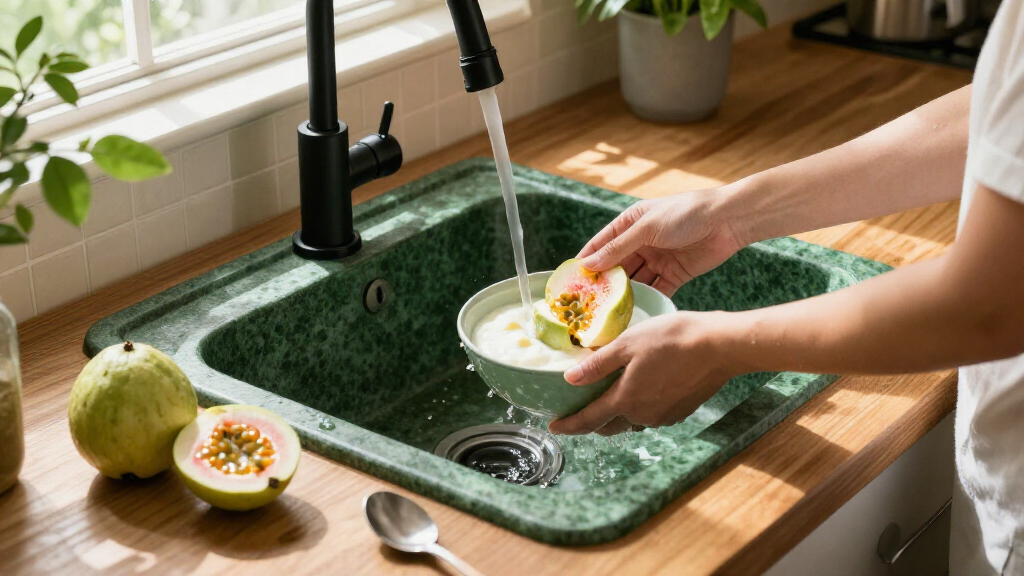
Some suggested uses are practical rather than elaborate: add passion fruit or kiwi to yogurt and oatmeal, use guava in salsa, or mix tomatoes and cucumbers into cottage cheese or Greek yogurt. The report notes that unripe jackfruit’s texture can work in dishes that use shredded meat, but says it does not match meat’s protein content. It also recommends choosing ripe passion fruit by its sweet smell and slightly wrinkled skin.
How Fruit Adds to Daily Protein
The list is relevant to shoppers because it distinguishes between contributing protein and serving as a primary protein source. People who already eat fruit can gain some additional protein by choosing options such as passion fruit or guava, but the amounts cited are modest compared with many commonly used protein foods.
Fruit can also bring other qualities to a meal. The dietitians quoted in the report discuss fiber and plant compounds alongside protein, and suggest pairing fruit with foods such as yogurt, oatmeal, chia seeds or cottage cheese. Such combinations may create a more substantial snack or meal, though the report does not provide a clinical comparison of these combinations or prescribe a particular diet.
Products Worth Considering

Cuisinart 7-in-1 Air Fryer Toaster Oven, 1800W, TOA-55

Instant Pot Rio 6-Quart 7-in-1 Electric Pressure Cooker, Black

Cuisinart Chef’s Convection Toaster Oven, 15 Functions, 1800W, Stainless Steel
As an affiliate, we earn on qualifying purchases.
The List’s Nutrition Evidence
The source is a Good Housekeeping nutrition report, not a new clinical study or a change to dietary guidance. It attributes nutrition commentary to Routhenstein and Brittany Werner, a registered dietitian and director of coaching at Working Against Gravity. The article combines their remarks with food examples and protein estimates.
The ten fruits named are passion fruit, guava, avocado, kiwi, blackberries, raspberries, cherries, jackfruit, tomatoes and pomegranate. The supplied source material provides detailed protein amounts and nutrition comments for the first nine, but its pomegranate section ends after the heading and does not include a protein estimate or further details. No date, research methodology or database behind the figures is included in the provided material.
“You’re not going to be using fruit as your main protein source, but it will contribute to your overall protein intake.”
— Michelle Routhenstein, preventive cardiology dietitian, quoted by Good Housekeeping
What the Source Does Not Specify
The provided report excerpt does not give a publication date or explain how the protein estimates were measured, including whether the figures refer to a specific variety or preparation. Portion sizes are generally given as one cup, but the exact amount of edible fruit can vary by cut and type.
The excerpt also stops at the pomegranate heading, so it does not substantiate a protein figure or nutrition guidance for that fruit. The report’s broad health descriptions are attributed to dietitians, but the supplied material does not cite specific studies or quantify the effects of eating these fruits. Readers should not interpret the list as evidence that fruit alone meets protein needs.
How to Use the Grocery List
The report’s immediate takeaway is a set of options shoppers can add to meals and snacks, rather than a new recommendation from a health authority. Readers can compare the cited amounts with their broader diets and pair fruit with foods that provide more protein. The source offers no follow-up study, official guidance change or announced next milestone.
For now, the figures should be read as estimates reported by Good Housekeeping, with the missing pomegranate details and sourcing methodology kept in mind. The original article is the place to check for any additional information beyond the excerpt supplied here.
Key Questions
Which fruit in the report has the most protein?
Passion fruit is listed at about 5 grams per cup, followed by guava at more than 4 grams per cup. These are the figures reported in the supplied Good Housekeeping material.
Can fruit replace meat, eggs, beans or tofu as a protein source?
No. The report says fruit can contribute to overall protein intake, but it does not provide as much protein as foods such as meat, eggs, beans or tofu.
Which berries are included?
The list includes blackberries and raspberries. It reports about 2 grams of protein per cup for blackberries and slightly less for raspberries, with roughly 8 grams of fiber per cup for each.
Does the source give a protein amount for pomegranate?
Not in the supplied excerpt. It names pomegranate but ends before giving a protein estimate or further nutritional details.
Source: rss